Picks
The best earrings for sensitive ears
Nine picks ranked on disclosure, with the post and back metal stated on every one.
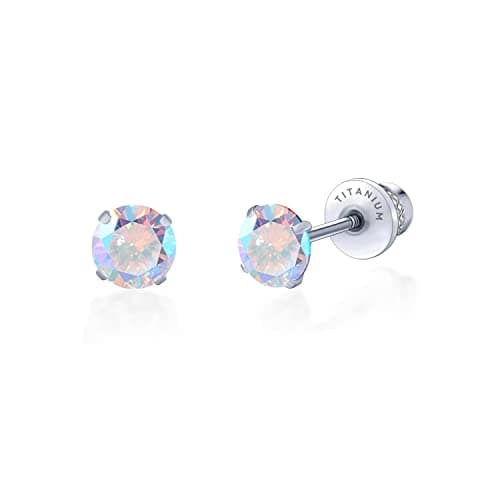
Best overall: Limerencia F136 Titanium Screw-Back Flat-Back CZ Studs (20G)
#ad We earn a commission at no cost to you.
The money question
Everything here starts from the same question: what metal actually goes through the hole in your ear, and does the seller say so?
If you are here, something in your ears has gone wrong. Sore, itchy, weeping, red at the back of the lobe by mid-afternoon — and probably not for the first time, because almost everyone arriving at a page like this has already bought something labeled hypoallergenic and reacted to it anyway.
That is not bad luck. In the United States, “hypoallergenic” has no legal definition for jewelry. There is no standard a piece has to meet and no penalty for printing the word on a product that releases nickel. It is a claim about intent. The metal is the fact, and this hub is organized around getting you to the right one.
Every page here is a variation on the same three questions, which are the only ones that reliably predict whether a pair of earrings will hurt you.
The single most useful thing on this hub is knowing which of four things is actually happening, because three of them are not solved by buying different metal.
| What it feels like | What it is | Where to go |
|---|---|---|
| Itchy and red, both ears, where the metal touches | Allergic contact dermatitis, usually nickel | The main roundup |
| Tender and aching, no itch, with a pressure mark | Weight and pressure, not allergy | Diagnose it first |
| Sore right at the edges of the hole | Friction from a poorly fitting post or a swinging earring | Flat-backs |
| Hot, swollen, throbbing, possibly discharging | Possible infection | See a clinician, not a website |
In rough order of how little nickel they can release: implant-grade titanium (ASTM F-136) and niobium first, then commercially pure titanium, then high-karat yellow gold and platinum, then 316L surgical steel, then sterling silver, and plated base metal last.
The counterintuitive bit is that surgical steel is roughly a tenth nickel by weight and still works for most people, because the alloy holds onto it. Content is not the same as release. The titanium-versus-steel comparison is the page to read if you are deciding between the two, and the honest answer is that steel is fine for the majority and titanium is the fix if you are not in it.
Products we claim to have tested: 0. Nobody at Gentle Carat has worn any of these, we own none of them, and we have no lab. What we did instead was read what each seller states about the post metal, the back metal and nickel — and record where they state nothing, which turns out to be most of the time and is often the most useful line on the page.
Every score on this site is a disclosure score, published against a rubric you can read and recompute. It rates what a seller tells you and how good the named metal is, never how a product performed in a test we did not run. That is a smaller claim than the one our competitors make, and it is the one we can actually stand behind.
Everything in this section
Picks
Nine picks ranked on disclosure, with the post and back metal stated on every one.
Best overall: Limerencia F136 Titanium Screw-Back Flat-Back CZ Studs (20G)
#ad We earn a commission at no cost to you.

Picks
The listings that say nickel-free rather than hypoallergenic, and why the difference matters.
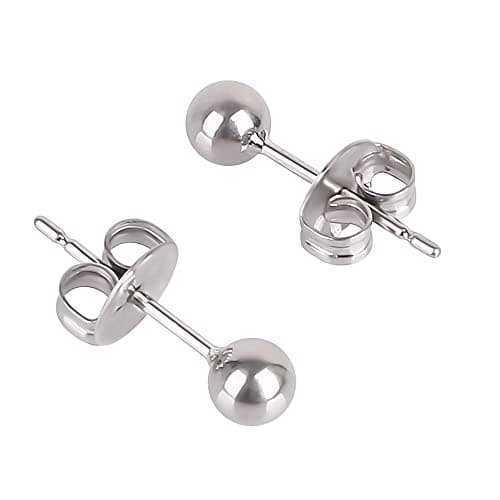
Strongest nickel claim: VGACETI Pure Titanium Ball Post Studs, 3mm and 4mm
#ad We earn a commission at no cost to you.
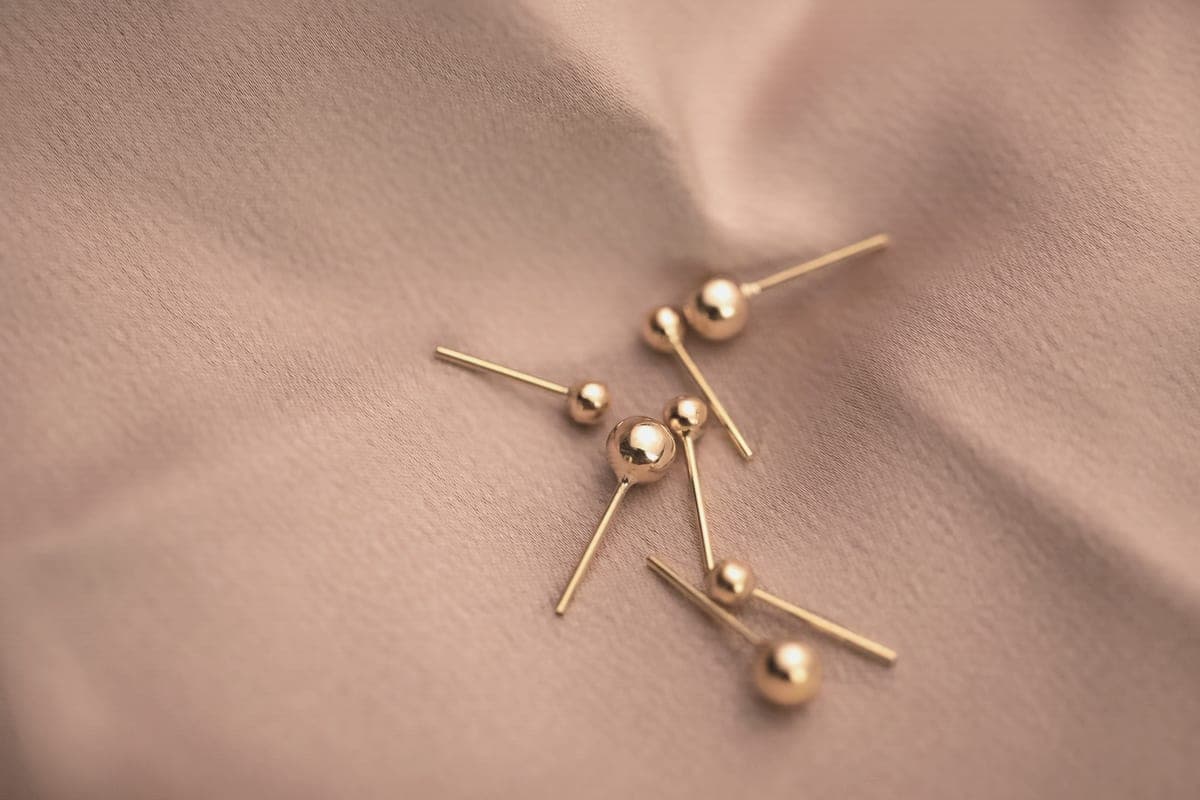
Picks
Everyday studs ranked on stated post metal, stated back metal and nickel language.
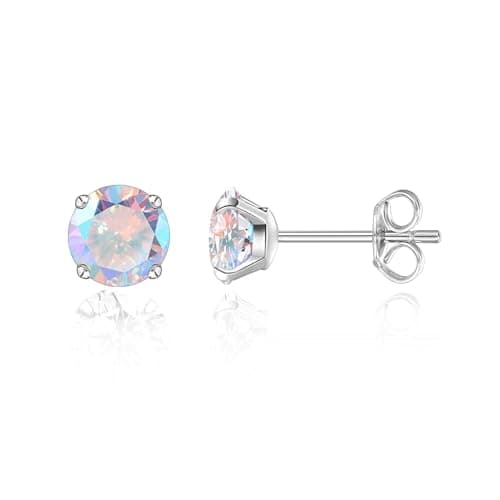
Best studs: Limerencia F136 Titanium Birthstone CZ Studs
#ad We earn a commission at no cost to you.
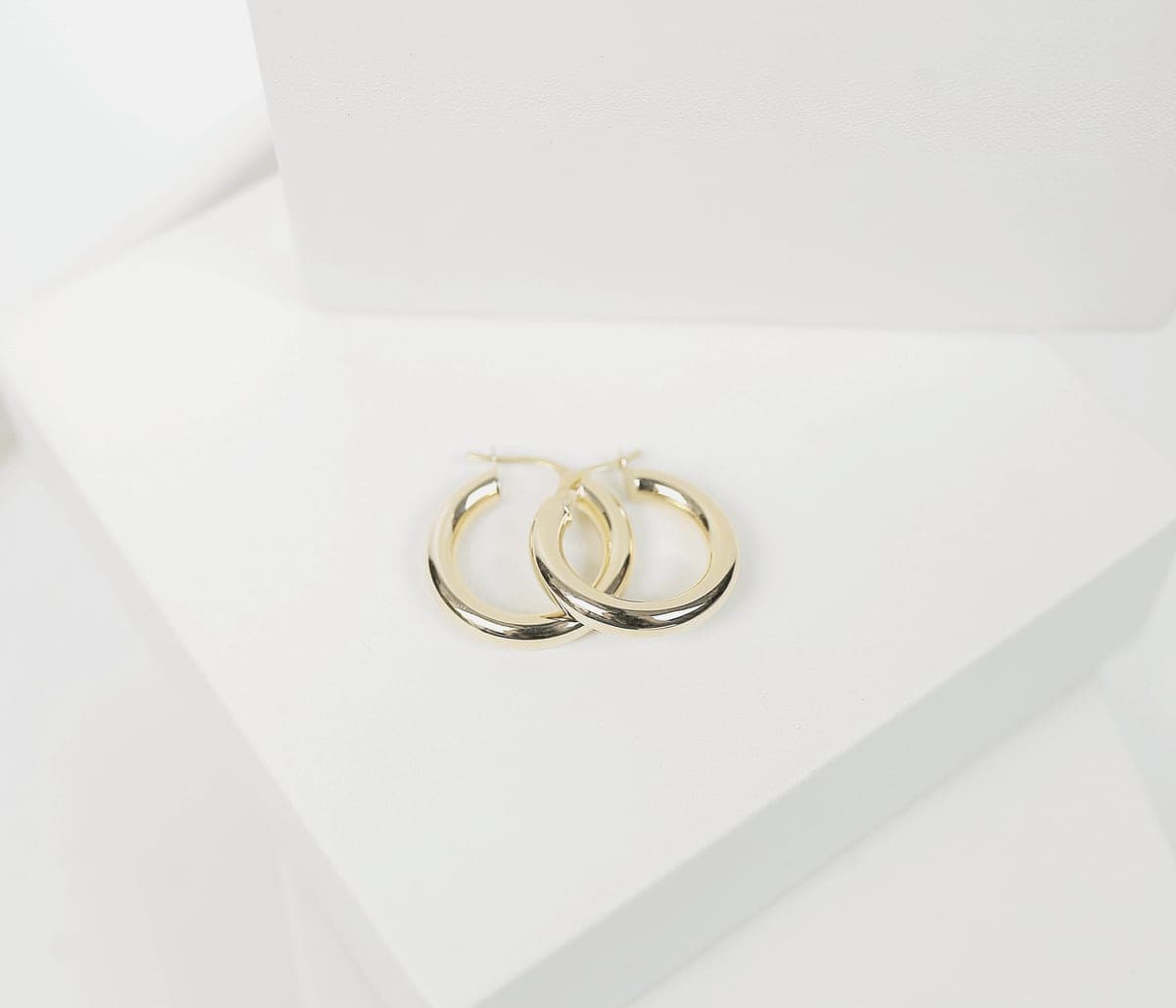
Picks
Titanium and steel hoops, with the closure type treated as a material question.
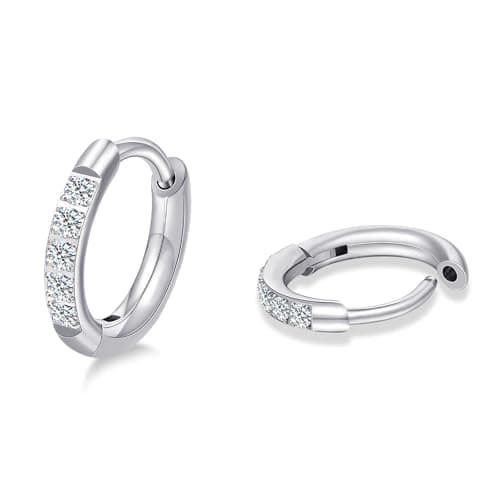
Best hoops: Limerencia F136 Titanium Huggie Hoops with Cubic Zirconia (18G)
#ad We earn a commission at no cost to you.
Picks
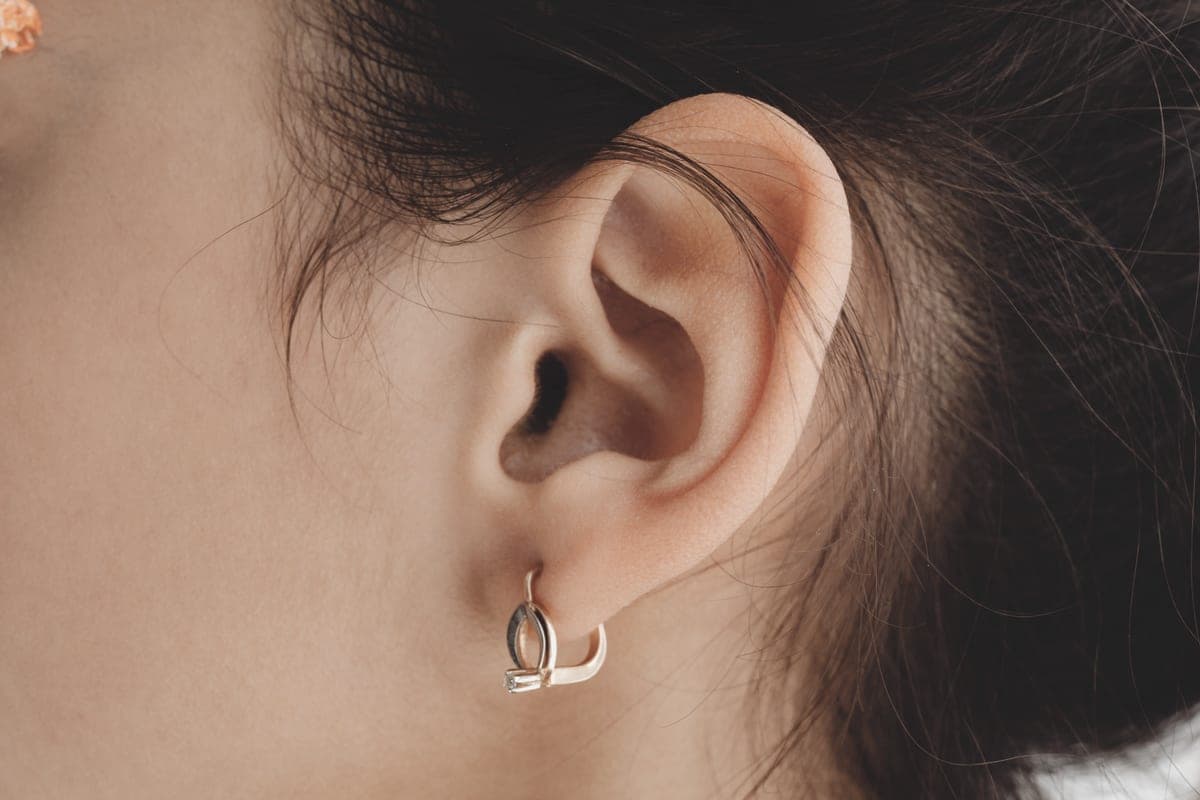
The shape piercers default to, and the listings that state the metal on both ends.
Best flat-backs: Limerencia F136 Titanium Screw-Back Flat-Back CZ Studs (20G)
#ad We earn a commission at no cost to you.
Picks
Ranked by how specific the titanium claim is, from a stated ASTM number down to a color.
Best titanium: Limerencia F136 Titanium Screw-Back Flat-Back CZ Studs (20G)
#ad We earn a commission at no cost to you.

Picks
Secure fastenings first, stated metals second, and a note on what a website should not tell you.
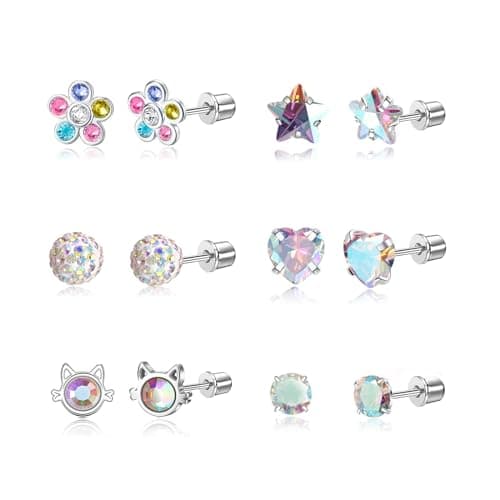
Best for kids: DAILI Titanium Screw-Back Toddler Studs, 12 pairs
#ad We earn a commission at no cost to you.
Picks
Replacement backs in titanium and steel — the cheapest fix in this whole category.
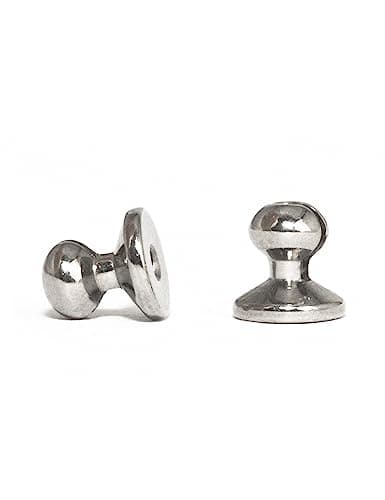
Best backs: Limerencia Pure Titanium Replacement Earring Backs (2 pairs)
#ad We earn a commission at no cost to you.
Picks
Non-pierced options, where the risk shifts from allergy to pressure — and what that changes.
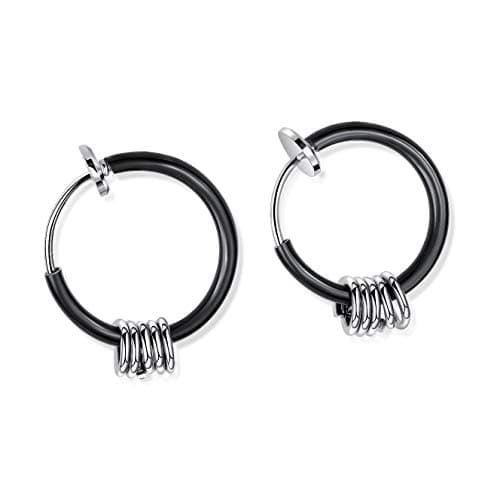
Best clip-ons: INRENG Stainless Steel Non-Piercing Clip-On Spring Hoops
#ad We earn a commission at no cost to you.

Picks
Men's studs ranked on stated metal, on a shelf that states it less often.
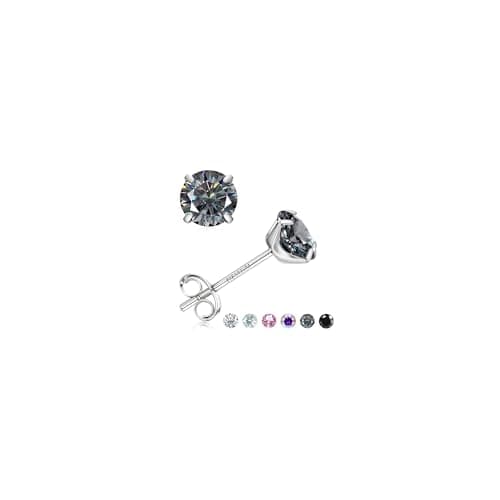
Best for men: GEMQUEEN G23 Implant-Grade Titanium Moissanite Studs, 1CT Gray
#ad We earn a commission at no cost to you.

Picks
Titanium flat-backs for helix, tragus and conch, with gauge and bar length treated as first-class specs.
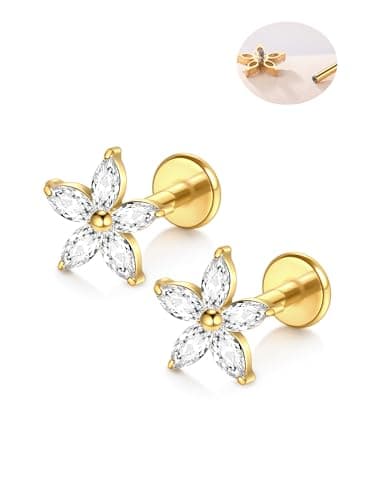
Best for cartilage: Xpircn ASTM F136 Titanium Flat-Back Cartilage Studs, 16G 8mm (2 pack)
#ad We earn a commission at no cost to you.
Picks
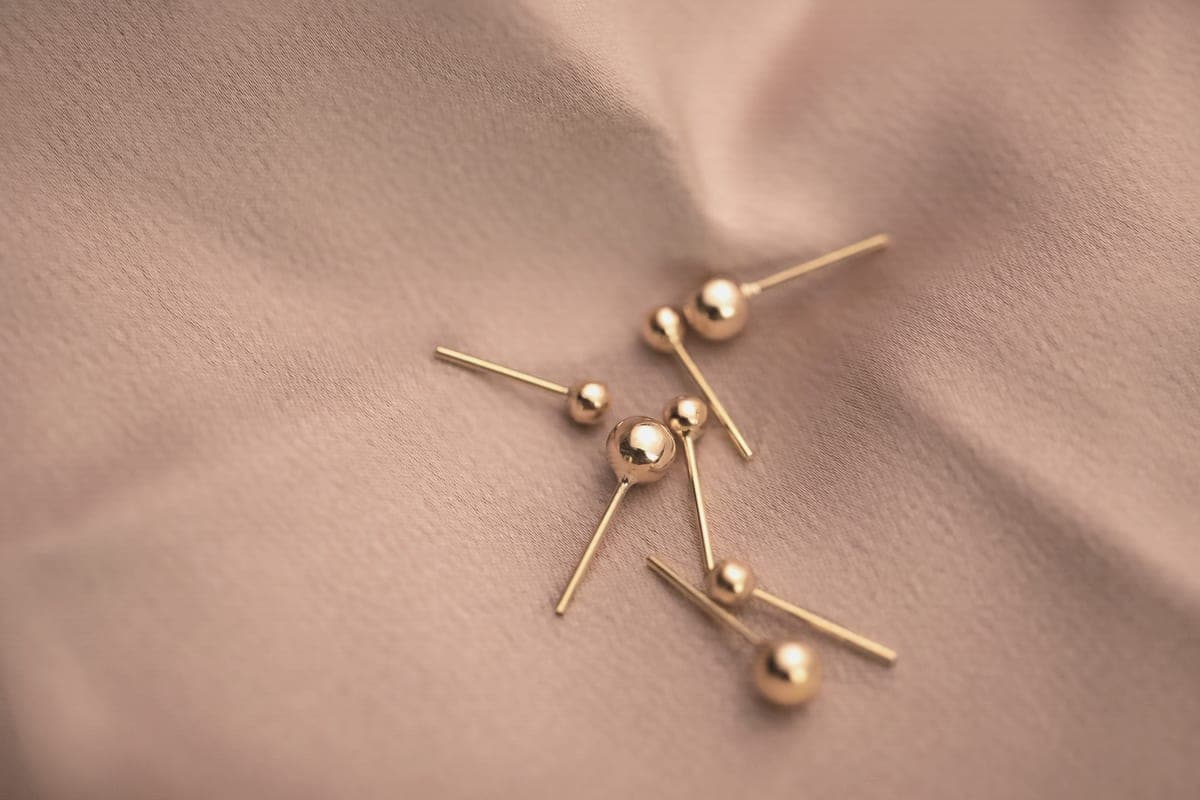
Solid and plated gold compared, including the white-gold nickel problem nobody mentions at the counter.
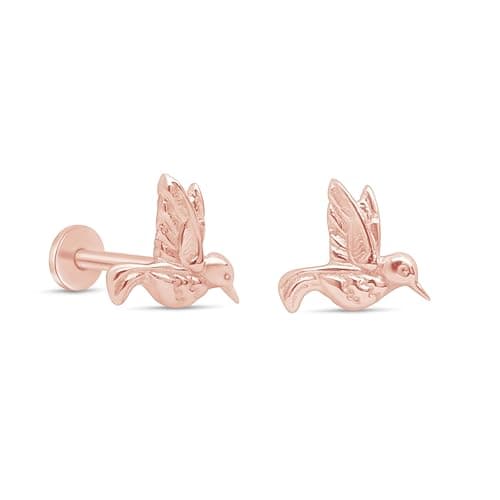
Best gold picks: Estella Collection 14K Solid Yellow Gold Hummingbird Flat-Back Stud, 18G
#ad We earn a commission at no cost to you.
Picks
Low-cost sets that still state their alloy, and why cheap jewelry gets blamed for the wrong thing.
Best on a budget: VGACETI Pure Titanium Ball Post Studs, 3mm and 4mm
#ad We earn a commission at no cost to you.
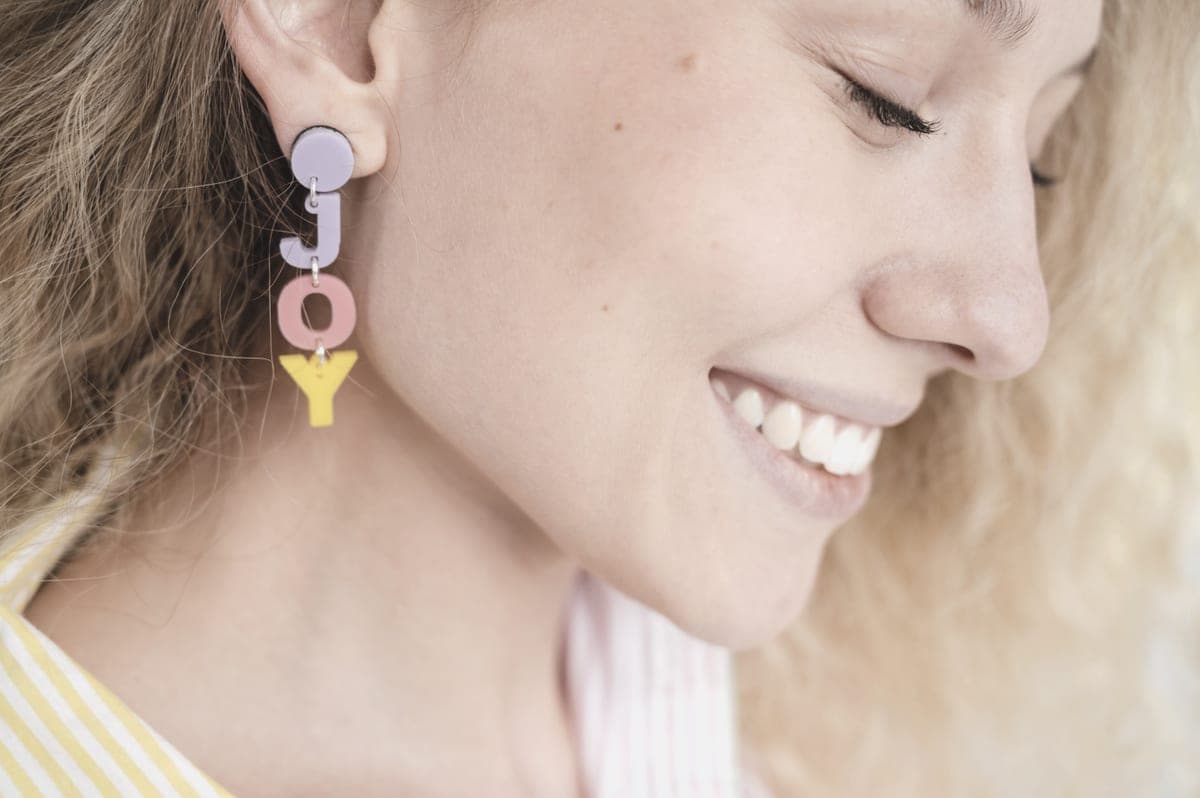
Picks
Drops and dangles ranked on the one component that enters the piercing: the hook, the lever-back or the post.
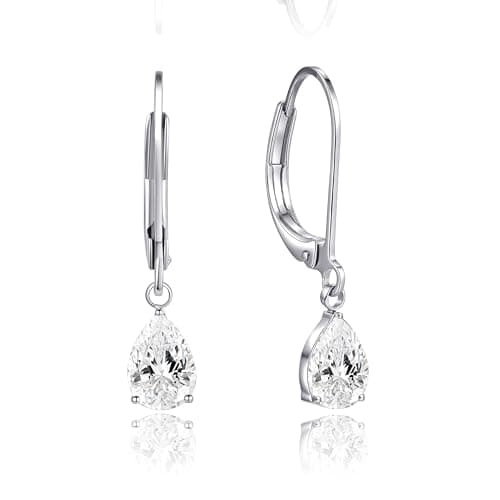
Best drops and dangles: Limerencia G23 Titanium Leverback Drop Earrings
#ad We earn a commission at no cost to you.
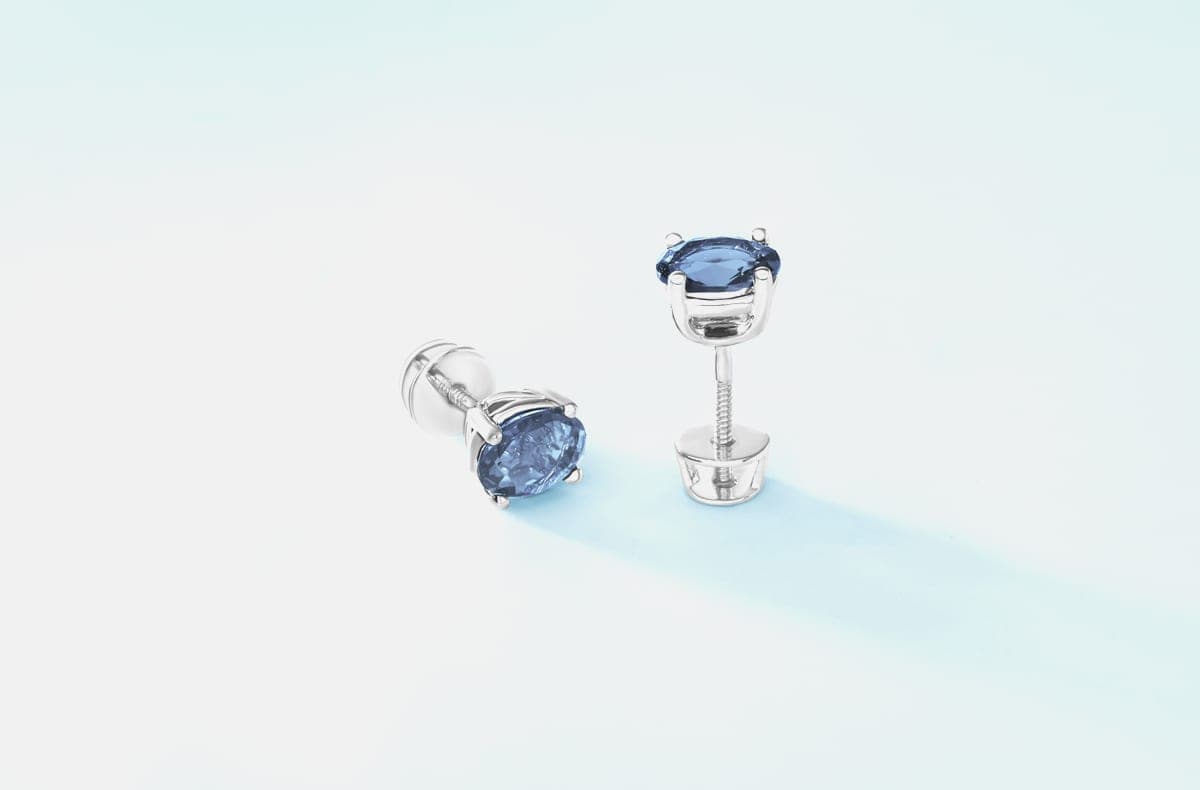
Picks
Small titanium studs and slim huggies for second and third lobe piercings, ranked on stated alloy and on clearance.
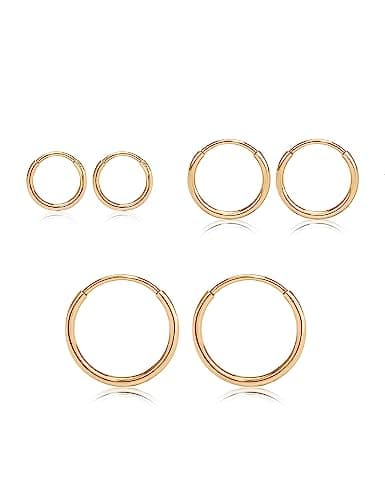
Best for a stacked ear: Limerencia G23 Titanium Slim Huggie Hoops, 3 pairs
#ad We earn a commission at no cost to you.

Picks
Support patches, earring lifters and extra-long posts for elongated, thickened or drooping lobes — and what each one actually does.
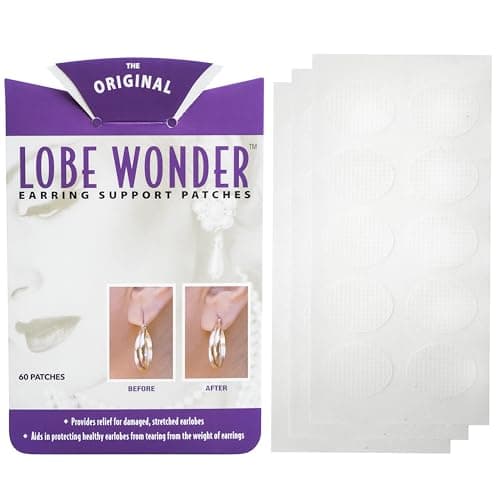
Best for stretched lobes: Lobe Wonder Earring Support Patches, 60 count
#ad We earn a commission at no cost to you.
Picks
Non-pierced cuffs in sterling and steel, ranked on stated alloy — and why intact skin changes the risk.
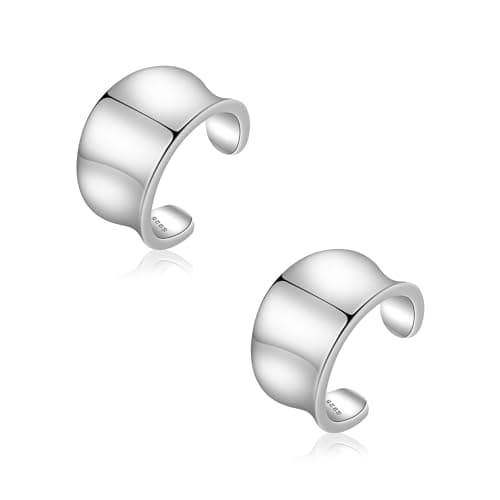
Best non-pierced picks: CHIC & ARTSY Sterling Silver Ear Cuff, adjustable
#ad We earn a commission at no cost to you.
Picks
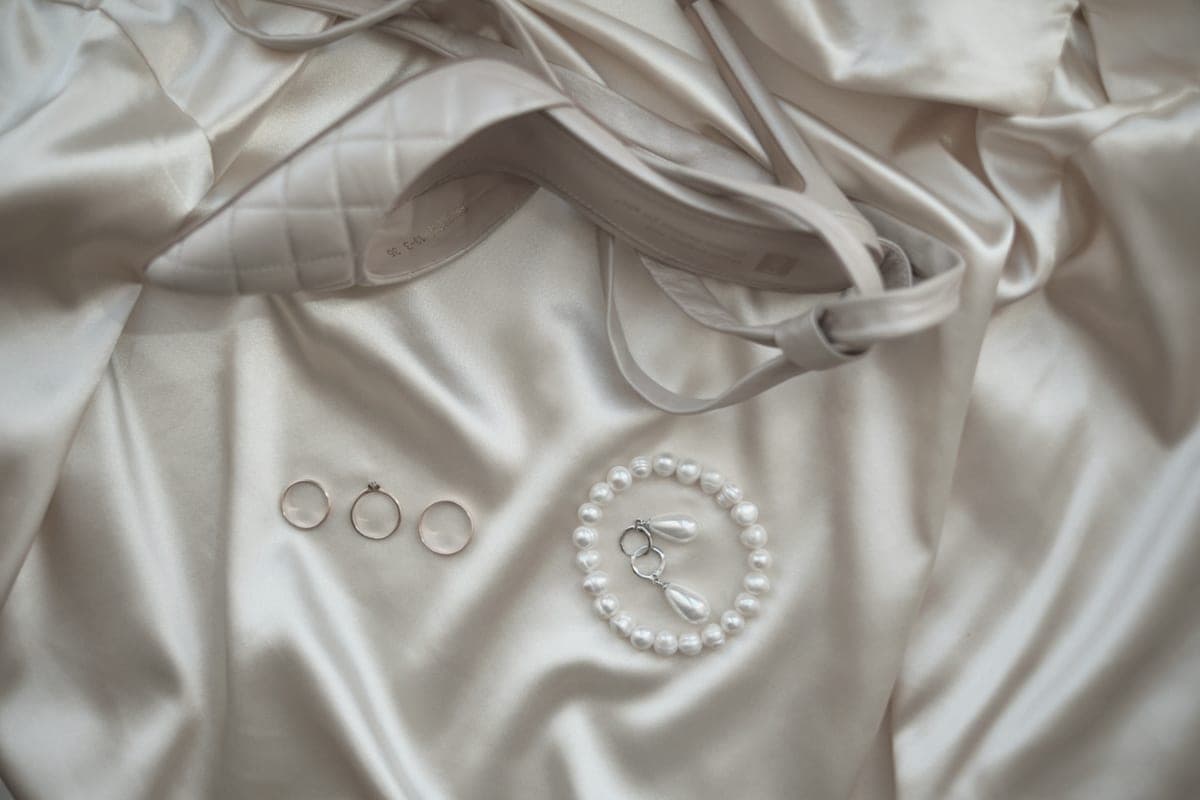
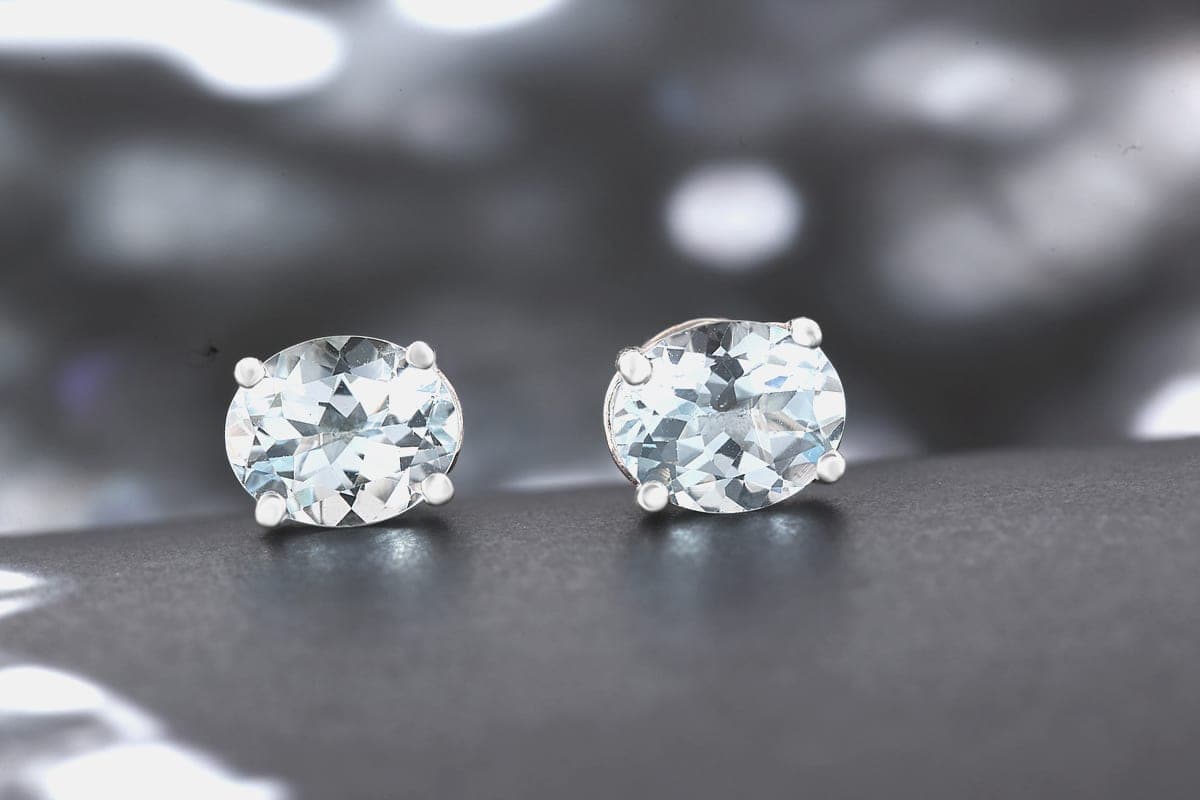
Pearl studs on stated titanium and 316L posts — including which listings name a real pearl and which mean glass.
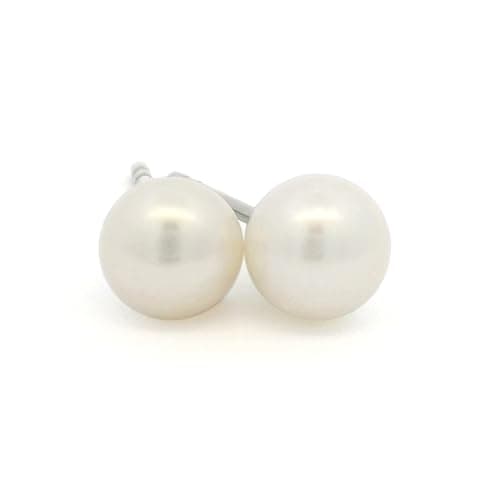
Best pearl picks: TitanHeart F136 Titanium Freshwater Pearl Studs, 8mm
#ad We earn a commission at no cost to you.
Picks
CZ studs ranked on the post metal, not the stone — plus what cubic zirconia actually is and how long it lasts.
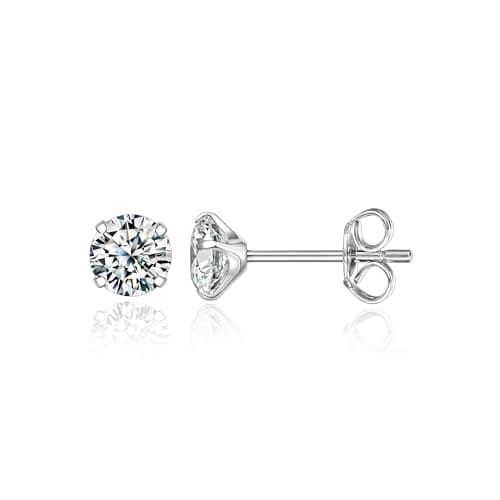
Best CZ picks: Limerencia F136 Titanium CZ Studs, 20G, 5mm
#ad We earn a commission at no cost to you.

Picks
Plastic posts for people who react even to titanium, and clear retainers for MRIs, surgery and jewelry bans. What the labels do and do not mean.
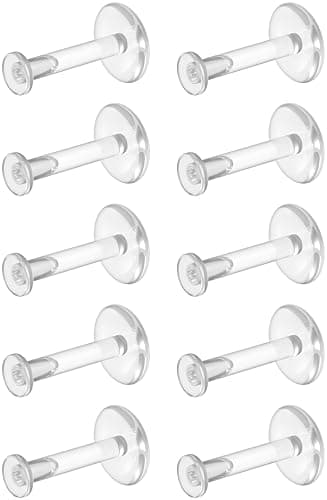
Best metal-free earrings: WildVibe Clear Flat-Back Plastic Studs, 18g, 6mm
#ad We earn a commission at no cost to you.
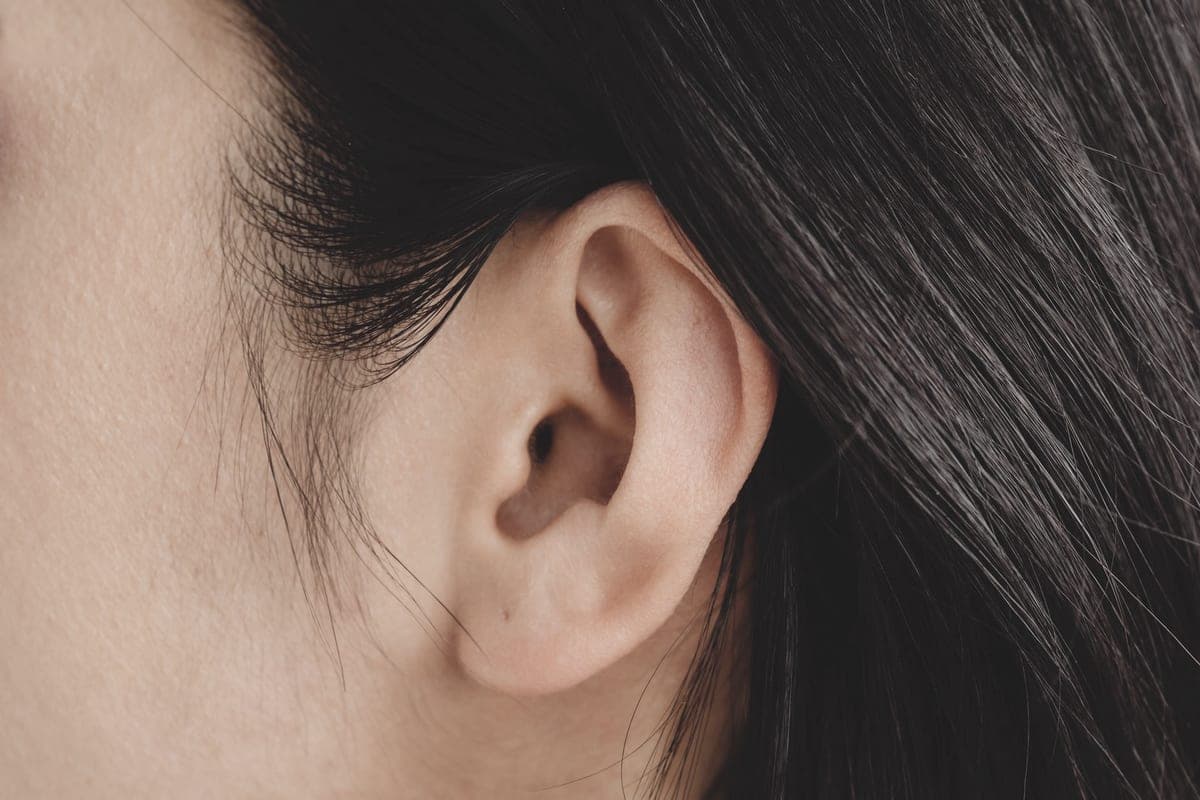
Picks
Pressure clips are not a treatment and the NIH does not list them as one. What we can assess is the metal being pressed against a healing scar.
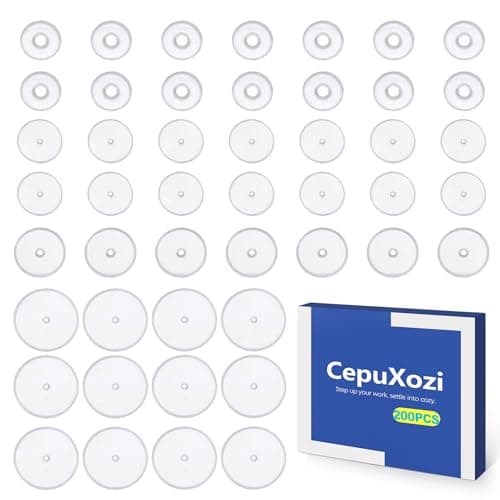
Best picks for keloid-prone lobes: CepuXozi Clear Silicone Support Discs, 3-9mm, 200 Pieces
#ad We earn a commission at no cost to you.

Picks
No piercing, no post, and no listing that names the magnet. What they are genuinely good for, and the safety point nobody mentions.
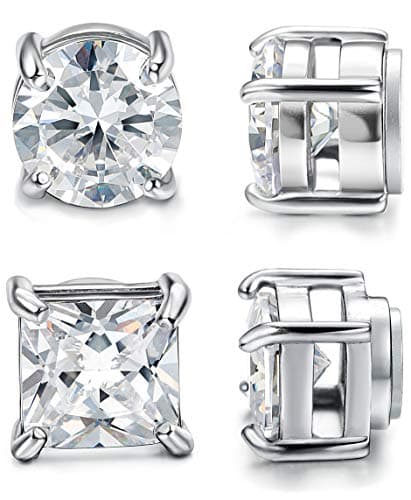
Best magnetic earrings: Jstyle Magnetic CZ Stud Earrings, 6mm, 2 Pairs
#ad We earn a commission at no cost to you.
Picks
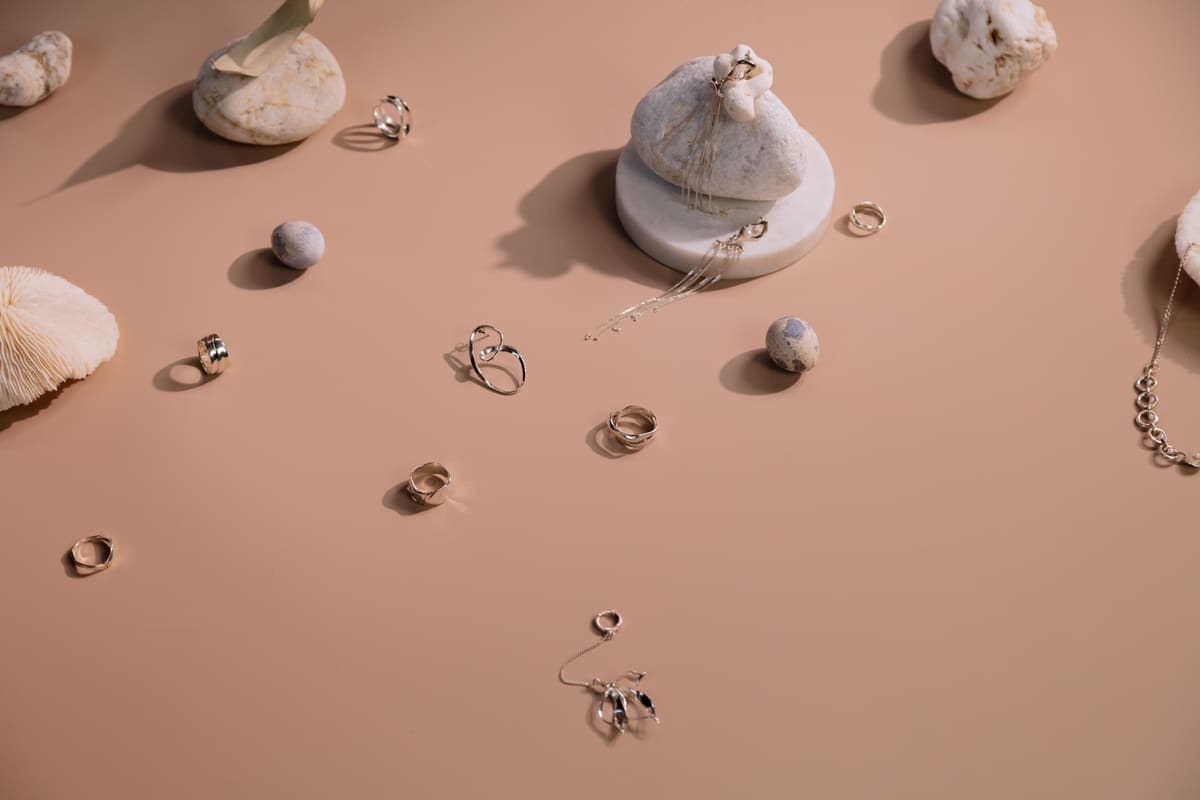
The one earring design with no back at all, and what that removes. Sterling picks with the alloy stated.
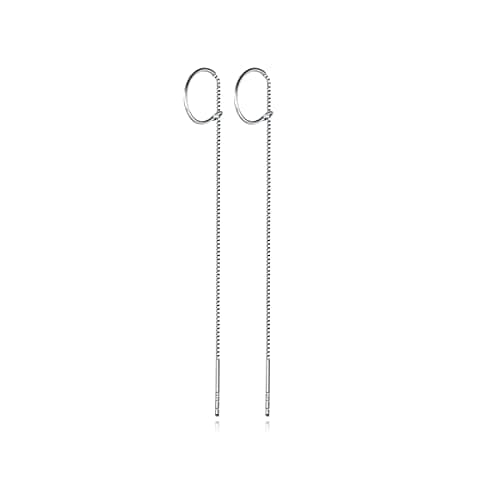
Best threaders: Reffeer Solid Sterling Silver Chain Threaders
#ad We earn a commission at no cost to you.
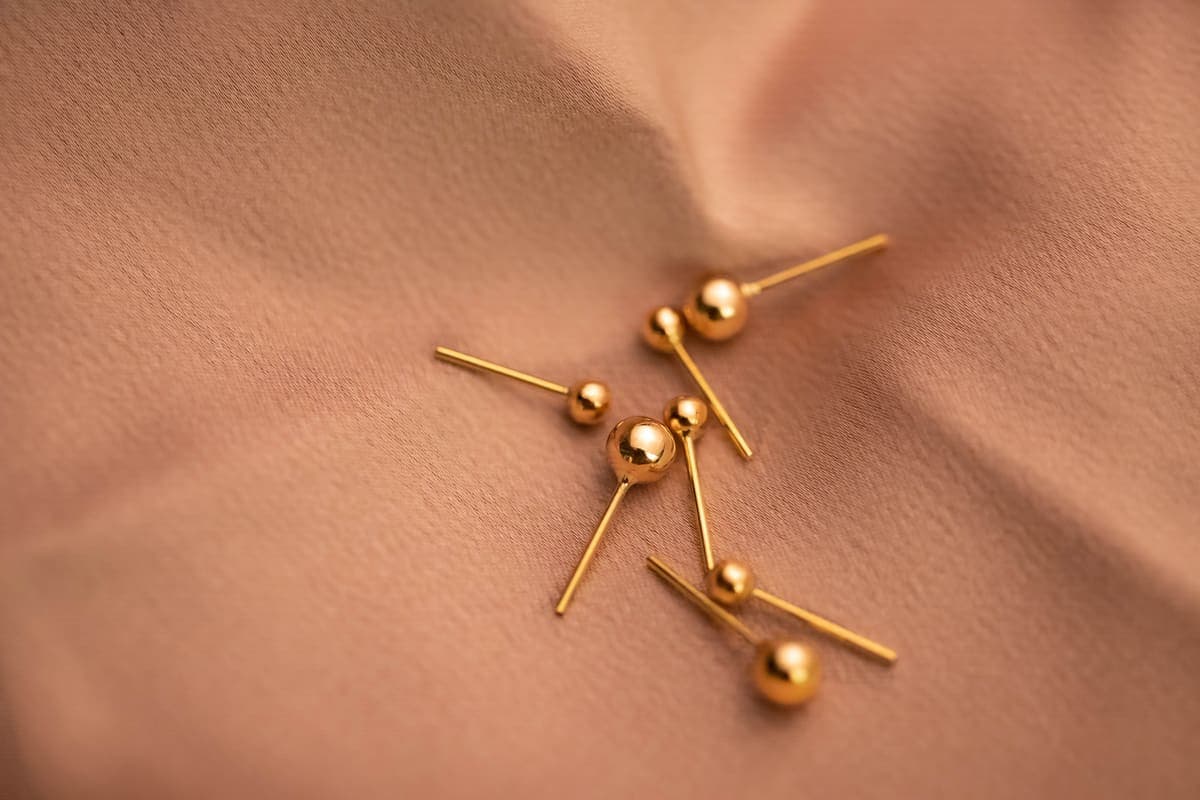
Comparison
The pharmacy-counter brand, judged on its own labels. It names the post metal — and then says nickel safe on three listings and nickel free on a fourth.
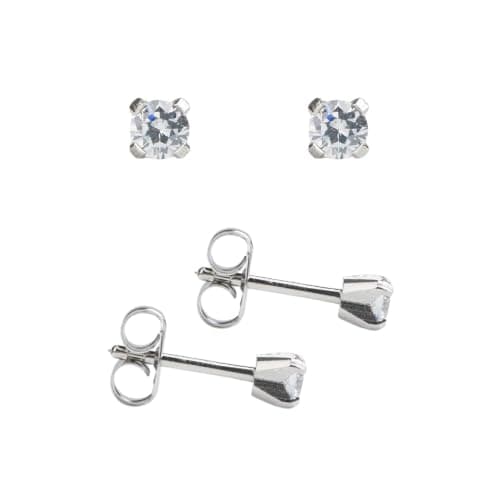
Featured pick: Studex Sensitive Cubic Zirconia Studs, 6mm
#ad We earn a commission at no cost to you.