Which jewelry metals are actually safe for reactive skin
Titanium, niobium, surgical steel, sterling silver, gold plating. What each one is, what it does to skin that reacts, and how to tell which you are being sold.
This is the section that decides everything else on the site. Style is a preference; metal is a fact, and it is the only variable that reliably predicts whether a piece of jewelry will leave you with a red, itchy ear.
The frustrating part is that the information exists and is simply not surfaced. Every metal below has a known composition, several have published standards with numbers attached, and the European Union has a legal limit for the exact thing that causes the problem. None of that appears on a typical product page, which instead offers you an adjective.
The ranking, and the one thing that trips everyone up
Jewelry metals ranked by how much nickel they can release onto skin.
Jewelry metals ranked by how much nickel they can release onto skin.
The thing that trips everyone up is the fifth row. Surgical steel contains a great deal of nickel by weight and is still fine for most people, because the nickel is locked into the alloy’s crystal structure and a passive chromium oxide film keeps it there. Content is not release. A cheap plated earring can contain far less nickel overall and give you a much worse week, because what little it has is right at the surface and comes off with sweat.
Why the word on the label tells you nothing
In the United States there is no federal standard governing “hypoallergenic” for jewelry — jewelry is not even regulated by the FDA, so it has less oversight than a moisturizer. The word means whatever the seller wants it to mean.
Europe took a different approach and regulated the underlying thing rather than the adjective. It does not care what you call your product; it cares how much nickel comes off it.
That is the whole reason this hub exists. A European seller has a number to hit. An American seller has an adjective, and the difference between “nickel-free” and “hypoallergenic” is the single most valuable thing to understand before you buy anything else.
The vocabulary traps, in one place
“Titanium steel” is stainless steel. It is a trade coinage, not a titanium alloy and not a recognized material designation anywhere. It appears constantly in necklace and bracelet listings.
“Surgical steel” without a grade number could be 316L, 304 or 430, which contain very different amounts of nickel. The number is the useful part.
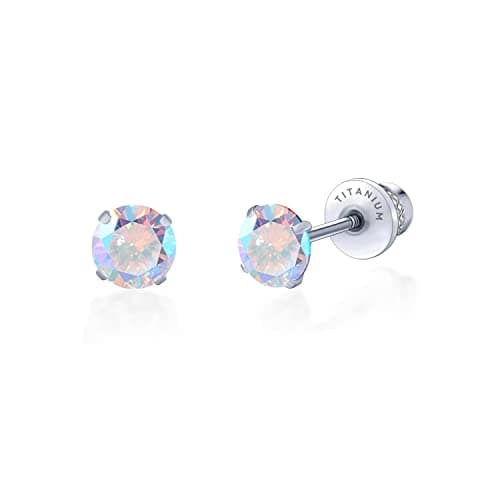
“Titanium plated” / “IP titanium” is a base metal with a titanium-colored coating. The coating wears through at the post first, which is exactly the wrong place.
“Medical grade” sounds like a standard and points at no document. Compare it with ASTM F-136, which does.
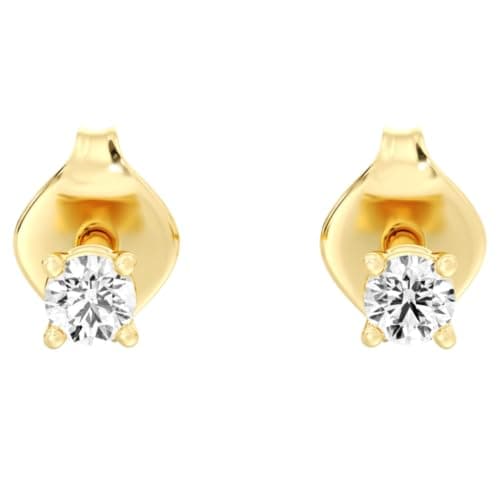
“White gold” is gold alloyed with a whitening metal, and one of the traditional choices is nickel. This is the way an expensive purchase most often goes wrong.
The four questions to ask any listing turns all of that into a four-minute check you can run yourself, which is genuinely the whole method behind this site.
What we can and cannot tell you
We cite REACH and EN 1811 to show what a real claim would look like and to point out that the United States has no equivalent. We have never measured a product against them. There is no lab here, no spectrometer, and no drawer of sample earrings. We will not describe a product as meeting a standard unless the manufacturer says so, in which case we will say that the manufacturer says so.
That is a narrower claim than most of this category makes, and it is one you can check. The full method.
Everything in this section
13 pages, and what each one is for
Every roundup below shows its top pick with a live price where we have one. Where we do not, the button says so rather than showing you a number we cannot stand behind.