Skip to content
Gentle CaratGentle Carat home

Sterling silver vs stainless steel for sensitive ears

Two metals that both get called safe, for opposite reasons. One usually has no nickel and misbehaves in other ways; the other has plenty and mostly keeps it to itself.

By Scooter M. · Verified on

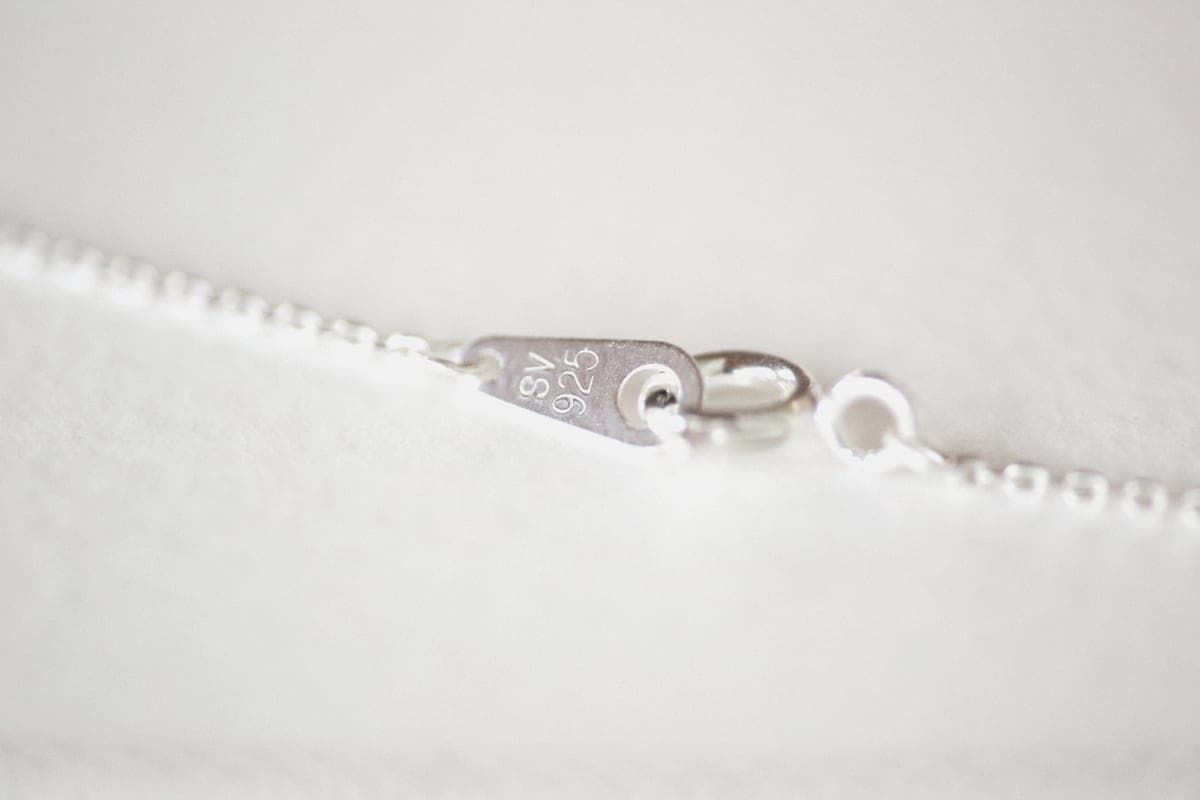
Silver-toned jewelry resting on soft white cloth in daylight

Gentle Carat earns a commission when you buy through the links on this page, at no extra cost to you. It never decides what we recommend or how we rank it — here is the full disclosure.

Sterling silver is 92.5 percent silver and 7.5 percent something else — usually copper, occasionally nickel in cheaper pieces. Stainless steel is roughly a tenth nickel by weight but releases almost none of it. So sterling is usually the lower-nickel choice and stainless is usually the more predictable one, and which suits you depends on whether your problem is nickel specifically or metal generally.

The comparison

Sterling silver versus 316L stainless steel across the properties that matter for daily wear.
Sterling silver (925)316L stainless steel
Composition92.5% silver, 7.5% alloy — copper in good pieces, occasionally nickel in cheap ones.Iron, chromium, 8–12% nickel, 2–3% molybdenum.
Nickel riskUsually zero, but unverifiable unless the seller specifies the alloy.Present but tightly bound. Low release, not zero release.
TarnishYes, and reliably. Silver sulfide forms in air and faster with sweat and cosmetics.No. This is its single biggest practical advantage.
Skin markingCan leave gray or black marks as tarnish transfers. Cosmetic, not an allergy.None.
HardnessSoft. Thin posts bend and hoops go oval.Hard. Holds shape indefinitely.
CostMoves with the silver price. Meaningfully more than steel.The cheapest safe-ish option in jewelry.
LookWarmer, brighter white with more depth. There is a reason people pay for it.Cooler, greyer. Reads as modern rather than as fine jewelry.
Sterling silver versus 316L stainless steel across the properties that matter for daily wear.

The sterling silver problem nobody mentions

Sterling is not one product. The standard governs the silver content — 92.5 percent — and says nothing at all about what the remaining 7.5 percent is. The industry convention is copper, and reputable makers use copper. But a piece can be perfectly, legally 925 sterling and contain nickel in that balance, and there is no way to tell from the stamp.

So when someone says “sterling silver is hypoallergenic”, they are describing a tendency rather than a guarantee. If you have reacted to a sterling piece before, this is the most likely explanation, and it does not mean silver is your problem.

Tarnish, and why it gets confused with an allergy

A dark ring on your earlobe from silver is almost always tarnish transfer. Silver sulfide is soft and rubs off, and skin acidity, humidity and cosmetics all accelerate it. It is harmless, it washes off, and it is not a reaction.

The way to tell the difference: tarnish is a stain that comes off with soap and does not itch. An allergic reaction is itchy, often raised, and does not wash away. Green marks are usually copper oxidizing, which is a third thing again. More on tarnish, green skin and water.

Which to buy

IfThen
You want the look of fine jewelry and silver has never bothered youSterling, from a maker who names its alloy
You want cheap everyday studs and tolerate steel316L stainless, in a multipack
You have reacted to a cheap sterling pieceTry good sterling once, or move to titanium and stop guessing
You have reacted to bothNeither. Go to implant-grade titanium
The piece will be worn in water dailyStainless, or titanium — sterling will tarnish

The picks below cover both sides: a sterling-based option whose listing states its composition, and two steel sets that are the sensible cheap default for anyone steel agrees with.

Quick picks

Ranked on what the seller actually discloses. Tap a row for the full write-up, or go straight to the listing.

#ProductBest forScorePrice
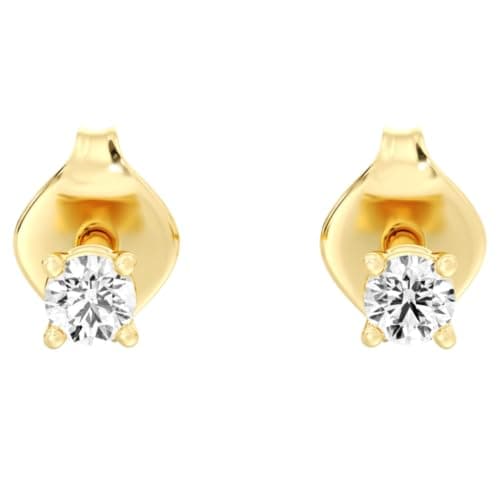
1Gilded Lab-Grown Diamond Studs, 925 Sterling SilverGilded Lab-Grown Diamond Studs, 925 Sterling SilverThe most detailed title on this site: metal, plating, setting style, back type, clarity, color and carat range are all stated before you click.Real stones on sterling7.4disclosureCheck price
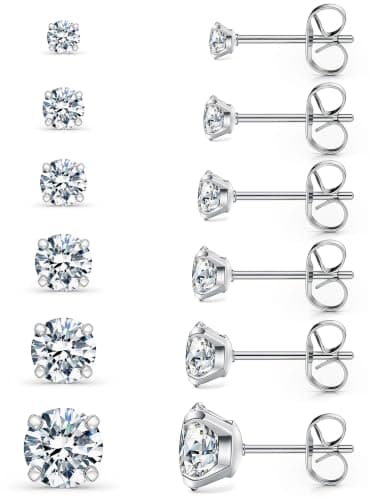
2316L Stainless Steel CZ Studs, 6 pairs (3–8mm)316L Stainless Steel CZ Studs, 6 pairs (3–8mm)The grade number is in the title, which is the single thing that separates a useful steel listing from a decorative one.The cheap everyday set6.2disclosureCheck price
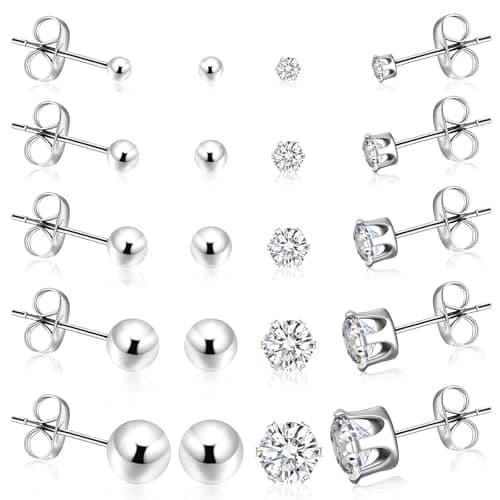
3Surgical Stainless Steel Studs, 10 pairsSurgical Stainless Steel Studs, 10 pairsA large steel set with a title that says 'surgical' but never says which grade, which is the common shape of this category.Ten pairs, one purchase5.4disclosureCheck price

“Score” is a disclosure score, not a test result. It rates how completely the seller states the post metal, the back metal and the nickel claim, and how that metal holds up for reactive skin. The full rubric is published on our methodology page.

Gilded Lab-Grown Diamond Studs, 925 Sterling Silver

#1 · Real stones on sterling

Gilded Lab-Grown Diamond Studs, 925 Sterling Silver

The most detailed title on this site: metal, plating, setting style, back type, clarity, color and carat range are all stated before you click.

Post material
925 sterling silver (some variants 14KT gold plated over silver)
From the seller’s own product title: “Gilded Lab-Grown Diamond Stud Earrings | 925 Sterling Silver Studs and 14KT Gold 925 Plated Silver | Hypoallergenic Fine Jewelry | 4-Prong Basket, Push Back Nut | Round Cut, SI1 Clarity, F Color
Back material
Push-back nut, named explicitly as part of the construction
From the seller’s own product title: “4-Prong Basket, Push Back Nut
Nickel claim
Says hypoallergenic, not nickel-free. The seller’s own words: “Hypoallergenic Fine Jewelry

Naming the back type in the title is rare enough to be worth the pick on its own. 'Push Back Nut' tells you the fastening, and putting it in the headline is a signal that whoever wrote the listing thought about the whole earring rather than just the stone.

Sterling silver is usually nickel-free but not guaranteed to be: the 925 standard fixes the silver content at 92.5 percent and says nothing about the remaining 7.5 percent, which is copper in good pieces. That is why the material grade here scores below titanium despite this being the most expensive product on the page.

Lab-grown diamonds are chemically and optically diamond, and the clarity and color grades in the title — SI1, F — are real grading terms. That is a jewelry claim rather than an allergy one, but it is specific and checkable, which is the same virtue.

Who it’s for

A significant purchase where you want real stones, sterling has never bothered you, and you want the fastening named before you commit.

Skip it if

Skip this if you have reacted to sterling silver before. The 925 stamp does not tell you what the balance alloy is, and that is precisely the uncertainty you would be paying to avoid.

Disclosure score

7.4

  • Post metal stated9
  • Back metal stated8
  • Strength of nickel claim5
  • Material for reactive skin7
  • Everyday wearability8

A disclosure score, not a test result. Nobody here wore these. Read how the rubric works.

316L Stainless Steel CZ Studs, 6 pairs (3–8mm)

#2 · The cheap everyday set

316L Stainless Steel CZ Studs, 6 pairs (3–8mm)

The grade number is in the title, which is the single thing that separates a useful steel listing from a decorative one.

Post material
316L stainless steel
From the seller’s own product title: “6 Pairs Stud Earrings Set, Hypoallergenic Cubic Zirconia 316L Earrings Stainless Steel CZ Earrings 3-8mm (Steel color)
Back material
Not named in the title
Not named in the seller’s product title — the headline nearly every buyer reads. That omission is the finding, not a gap in our notes.
Nickel claim
Says hypoallergenic, not nickel-free. The seller’s own words: “Hypoallergenic Cubic Zirconia 316L

'316L' is doing all the work in this title. Most steel jewelry is sold as 'surgical steel', which has no legal definition for jewelry and could be 304, 430 or something unnumbered. A specific alloy designation is a claim you can go and read about, and 316L is the good one — the molybdenum in it is what resists pitting in sweat.

Six sizes from 3mm to 8mm covers most of what anyone actually wears, and cubic zirconia at this price is exactly what you would expect: bright when new, gradually less so.

For the large majority of people, including many with a mild nickel sensitivity, this is the correct everyday answer and titanium is an upgrade they do not need.

Who it’s for

Anyone who wears steel without trouble and wants a full size range for the price of one titanium pair.

Skip it if

Skip this if you have reacted to surgical steel before. 316L contains eight to twelve percent nickel by weight even though it releases very little, and if you are past that threshold no grade number will help.

Disclosure score

6.2

  • Post metal stated8
  • Back metal stated2
  • Strength of nickel claim6
  • Material for reactive skin7
  • Everyday wearability8

A disclosure score, not a test result. Nobody here wore these. Read how the rubric works.

Surgical Stainless Steel Studs, 10 pairs

#3 · Ten pairs, one purchase

Surgical Stainless Steel Studs, 10 pairs

A large steel set with a title that says 'surgical' but never says which grade, which is the common shape of this category.

Post material
Surgical stainless steel — no grade number stated
From the seller’s own product title: “Hypoallergenic Surgical Stainless Steel Stud Earrings for Women,10 Pairs
Back material
Not named in the title
Not named in the seller’s product title — the headline nearly every buyer reads. That omission is the finding, not a gap in our notes.
Nickel claim
Says hypoallergenic, not nickel-free. The seller’s own words: “Hypoallergenic Surgical Stainless Steel

The word missing here is a number. 'Surgical stainless steel' is a marketing phrase; 316L, 304 and 430 are alloys, and they behave differently in sweat and contain very different amounts of nickel. A listing that will not commit to one has left the most useful fact out.

That is not a reason to assume the worst. Most jewelry sold this way is 316L or 304 and most people wear both without incident. It is a reason to score the disclosure below the listing above it, which names its alloy for the same money.

Ten pairs is a genuinely useful quantity if steel agrees with you and you lose earrings, which most people do.

Who it’s for

Steel-tolerant buyers who want quantity and are not trying to solve a specific reaction.

Skip it if

Skip this if you need to know exactly what alloy is going through your ear. The title does not say and no amount of hoping will change that.

Disclosure score

5.4

  • Post metal stated5
  • Back metal stated2
  • Strength of nickel claim5
  • Material for reactive skin7
  • Everyday wearability8

A disclosure score, not a test result. Nobody here wore these. Read how the rubric works.

Questions people actually ask

Is sterling silver hypoallergenic?

Usually, and not guaranteed. The 925 standard fixes the silver content at 92.5 percent and says nothing about the remaining 7.5 percent. Reputable makers use copper; cheaper pieces sometimes use nickel, and the stamp will not tell you which.

Which is better for sensitive ears, sterling silver or stainless steel?

If nickel is your trigger, good sterling is usually the safer of the two, because most sterling contains none. If you want predictability and low cost, 316L steel is more consistent. If you have reacted to both, the answer is titanium.

Why does sterling silver turn my ear black?

That is tarnish transferring, not a reaction. Silver reacts with sulfur compounds in air and sweat to form silver sulfide, which is soft and rubs off onto skin. It washes off and does not itch. If the mark itches or is raised, it is not tarnish.

Does stainless steel tarnish?

No. The chromium in the alloy forms a passive oxide layer that keeps it bright. It can pit after long exposure to salt water or chlorine, but it will not go black the way silver does.

Is 925 silver the same as sterling silver?

Yes. The 925 stamp means 92.5 percent silver by weight, which is the sterling standard. It is a statement about purity, not about what the other 7.5 percent is.

Sources

Read next