Picks
Hypoallergenic necklaces
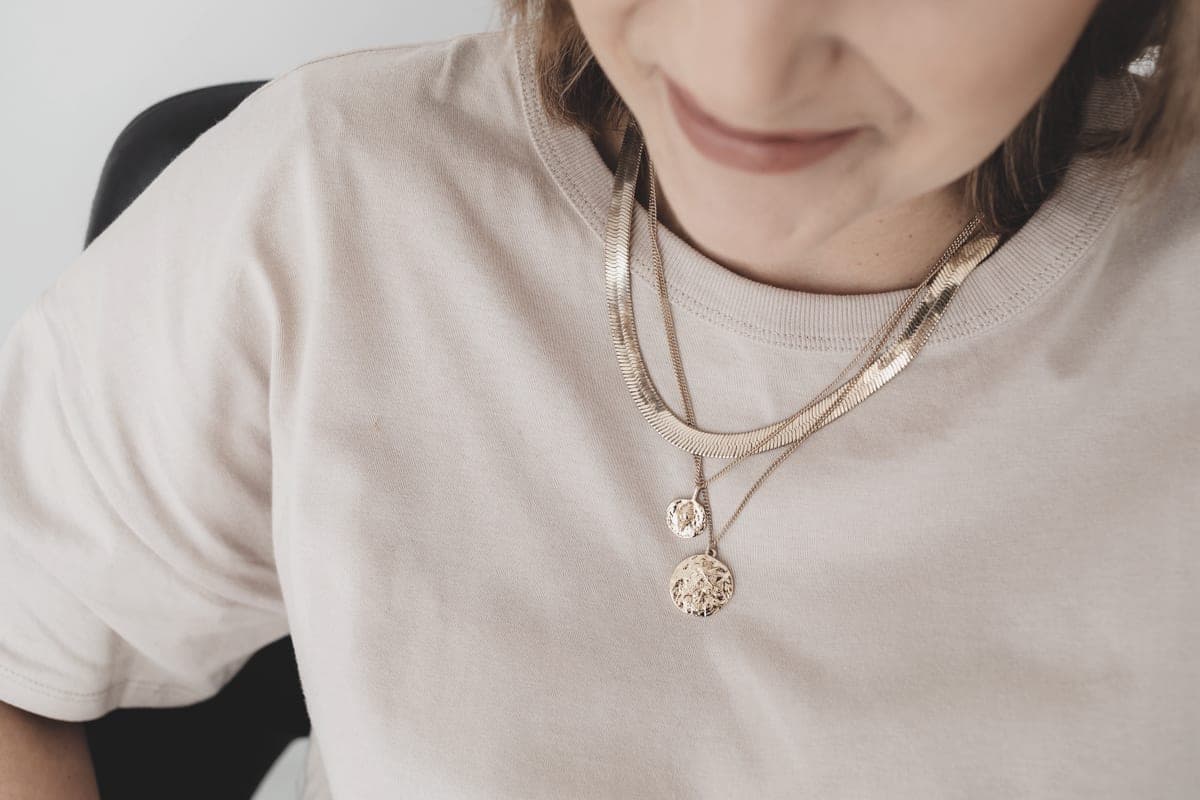
Titanium and steel chains, with the clasp treated as the component that matters.
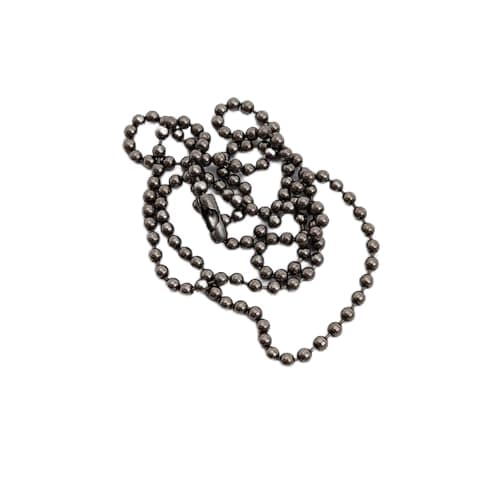
Best necklaces: Flytanium Grade TA1 Titanium Ball Chain
#ad We earn a commission at no cost to you.
Necklaces, rings, bracelets
A necklace clasp sits on the back of your neck all day and a ring never comes off. Both are prolonged contact, and both have their own rules.
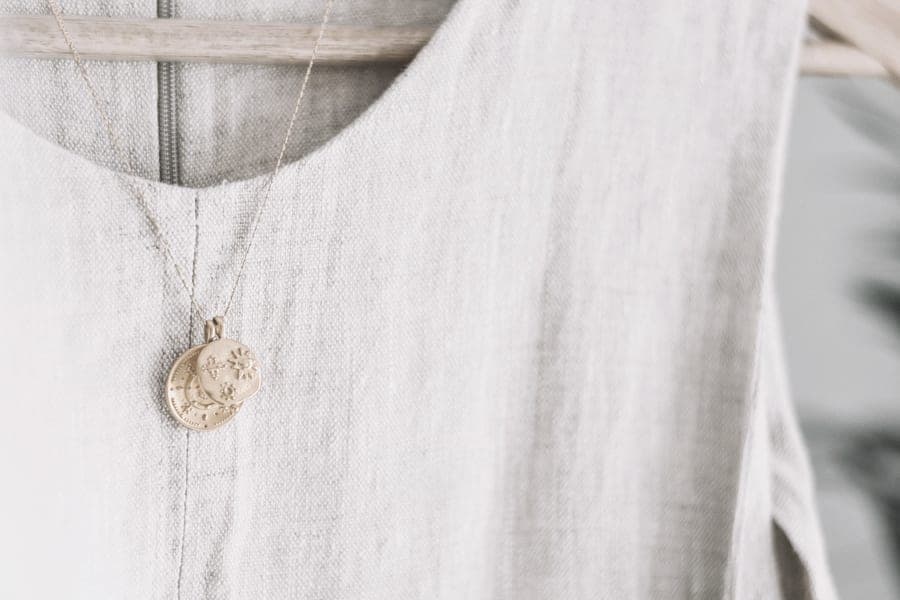
Once you have sorted out your earrings, the rest of your jewelry is still there. A necklace clasp sits at the nape of your neck all day. A ring never comes off. A bracelet knocks against everything and spends its life over the thinnest skin on your wrist. All three are prolonged contact, and all three have their own version of the same problem.
The rules carry over, with one addition that turns out to matter more here than it does with earrings: count the separately manufactured parts.
A jewelry listing describes the piece. What touches your skin is a set of components, each made independently, each a separate purchasing decision by the manufacturer, and usually only one of them named.
| What you are wearing | Separate metal parts touching you | Usually named |
|---|---|---|
| A cuff bracelet | 1 | 1 — the only fully honest construction |
| A plain band ring | 1 | 1 |
| A necklace | 2 (chain, clasp) | 1 — and the clasp is the one that matters |
| A pendant on a chain | 3 (pendant, chain, clasp) | 1, usually the pendant |
| A chain bracelet | 2 (chain, clasp) | 1 |
That table explains a pattern people find baffling: a necklace whose chain is fine and whose clasp gives you a rash at the nape, or a bracelet you tolerate everywhere except where it fastens. The chain is one purchasing decision and the clasp is another.
The chain slides against the front of your neck; the clasp sits still against one small patch at the back, under hair, warm and damp, for the entire day. That is where necklace reactions begin, and because you never look at it, it gets blamed on shampoo or a collar for weeks.
A ball-chain connector or a continuous chain removes the clasp entirely. Otherwise, a jeweler can swap a clasp for a titanium one for very little — the necklace equivalent of changing your earring backs. The necklaces page.
A ring is the hardest case in jewelry, and not only because of the metal. The skin under a band is occluded — permanently warm, damp, and never exposed to air. Soap and water get under there and stay.
Which means a meaningful share of ring irritation is not an allergy at all. If the rash is confined exactly to the band and improves when you take the ring off to wash your hands, that was soap rather than metal, and it is free to fix. The rings page, including the white gold problem that catches out people who spent the most money.
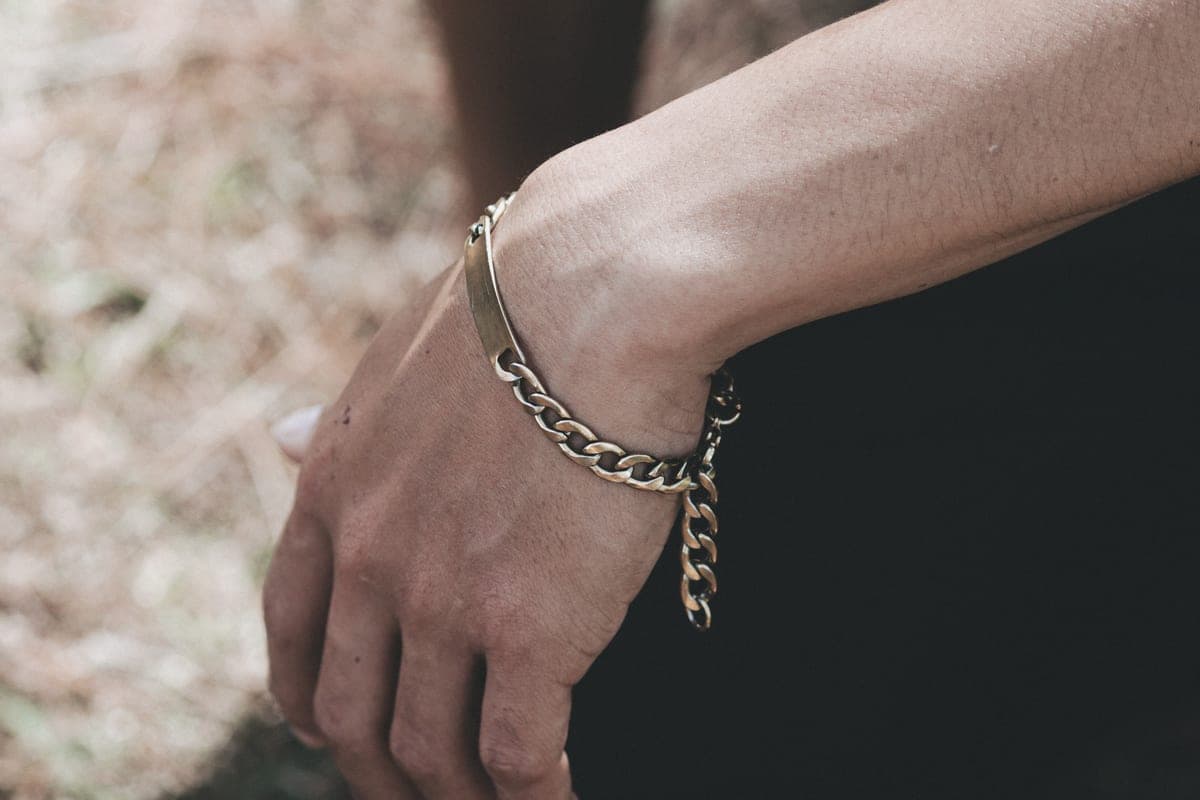
A bracelet takes more physical punishment than anything else you wear — desks, doorframes, sinks, sleeves — and the underside of the wrist has thin skin with blood vessels close to the surface. Plated finishes fail here faster than anywhere except a post.
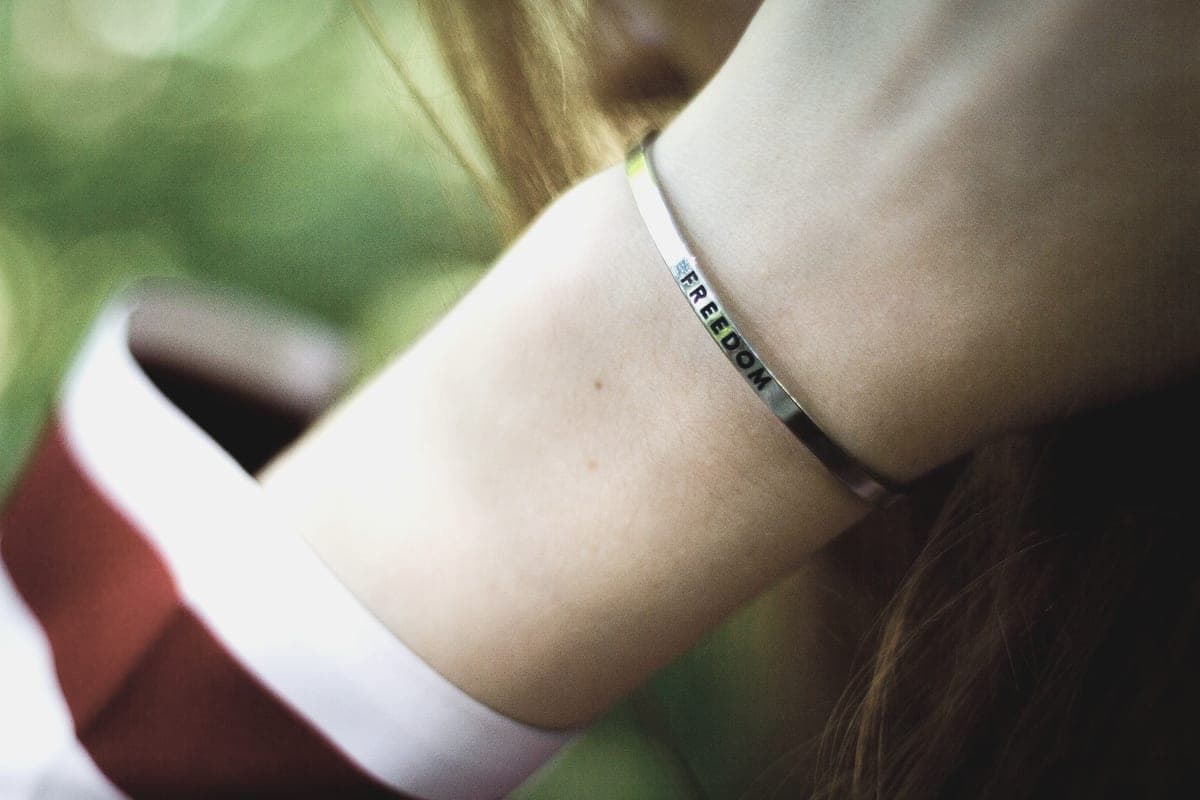
An open cuff has no clasp at all, which makes it structurally the best bracelet for reactive skin: one piece of metal, one material claim, no gap. The bracelets page.
“Titanium steel” appears constantly in necklace and bracelet listings and is not a titanium alloy. It is a trade coinage for stainless steel, it is not a recognized material designation, and it is the single most common way a buyer on this shelf ends up with something other than what they thought.
“White gold” is the other. Gold is naturally yellow; white gold is gold alloyed with a whitening metal, and one traditional choice is nickel. Most is then rhodium-plated, so it behaves like a plated piece as the rhodium wears. If nickel is your trigger and you want gold, yellow at 14k and above is the simple answer.
Everything in this section
Picks
Titanium and steel chains, with the clasp treated as the component that matters.
Best necklaces: Flytanium Grade TA1 Titanium Ball Chain
#ad We earn a commission at no cost to you.
Picks
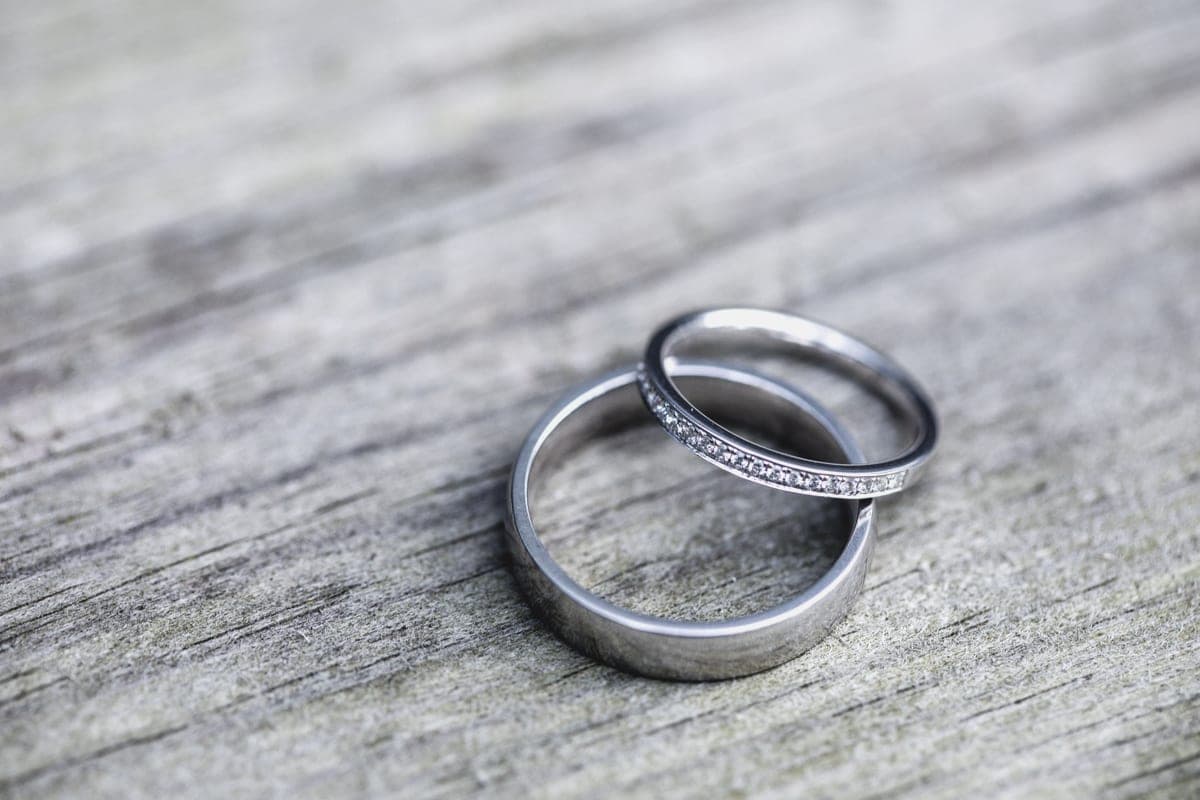
Solid titanium bands, and the white-gold question that catches people out.
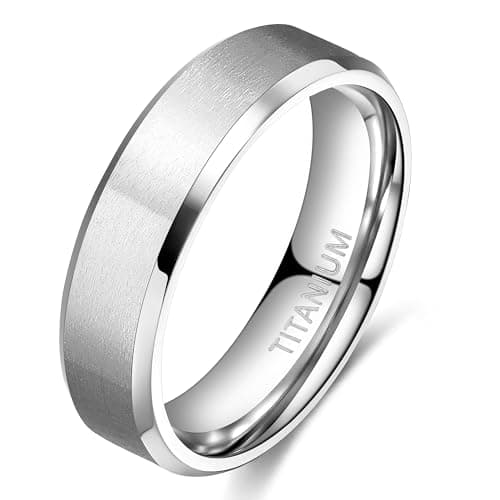
Best rings: TIGRADE Matte Titanium Band, 4-10mm
#ad We earn a commission at no cost to you.
Picks
Titanium cuffs, and the structural reason they beat chain bracelets for reactive skin.
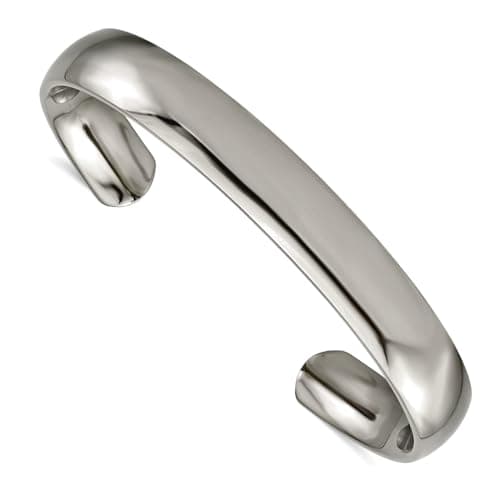
Best bracelets: JewelryWeb Polished Titanium Cuff Bangle, 10mm
#ad We earn a commission at no cost to you.

Picks
Titanium nostril studs and hoops, ranked on stated grade — plus the gauge question that causes most returns.
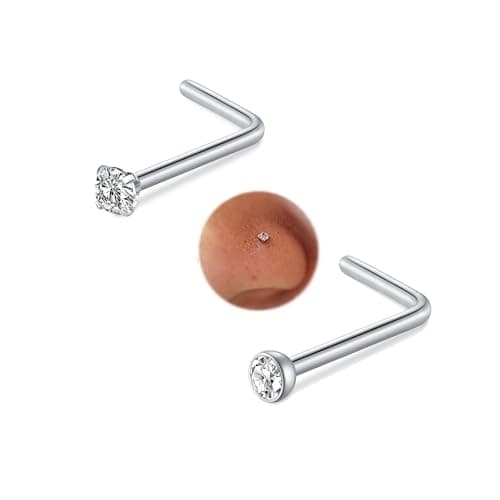
Best nose rings: MODRSA Implant-Grade Titanium L-Shape Nose Studs, 20G
#ad We earn a commission at no cost to you.

Picks
Titanium clickers and segment rings, with the diameter question that decides whether one fits.
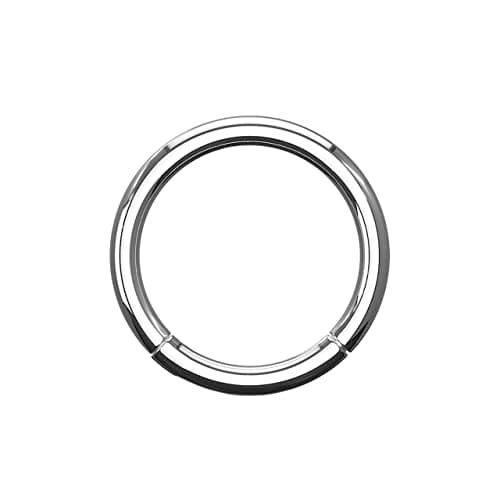
Best septum rings: Satix Implant-Grade Titanium Hinged Segment Ring, 16G–20G
#ad We earn a commission at no cost to you.
Picks
The buyer's guide to piercing metal — threading, gauge and grade — ending in verified picks.
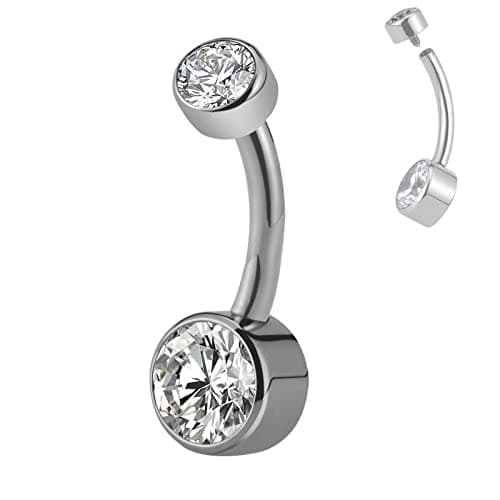
Best body jewelry: FINE4U ASTM F136 Titanium Navel Ring, 14G 12mm, Internally Threaded
#ad We earn a commission at no cost to you.
Picks
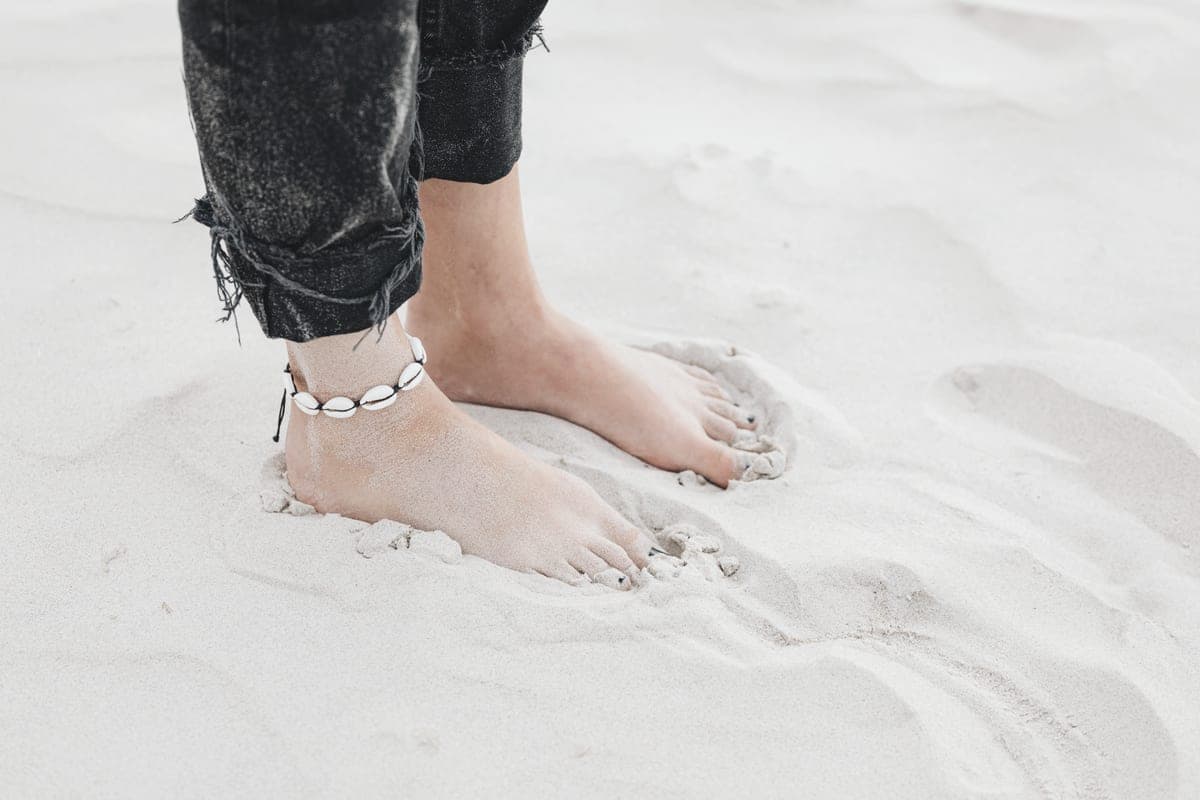
Steel anklets with the alloy stated — and why almost nothing here is really titanium.
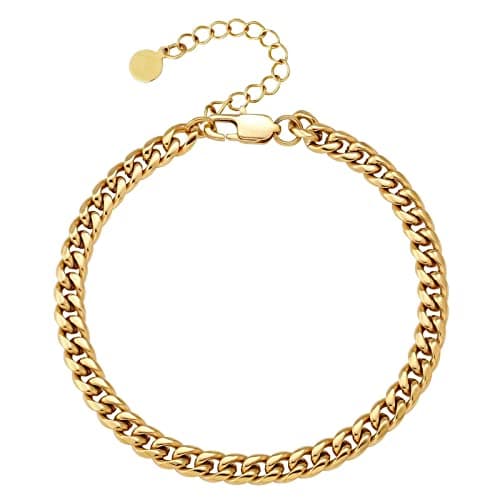
Best anklets: Mesnt 316L Surgical Steel Anklet, 6/8mm
#ad We earn a commission at no cost to you.

Picks
Engagement rings ranked by metal tier, with the white-gold nickel problem and the setting metal treated as first-class questions.
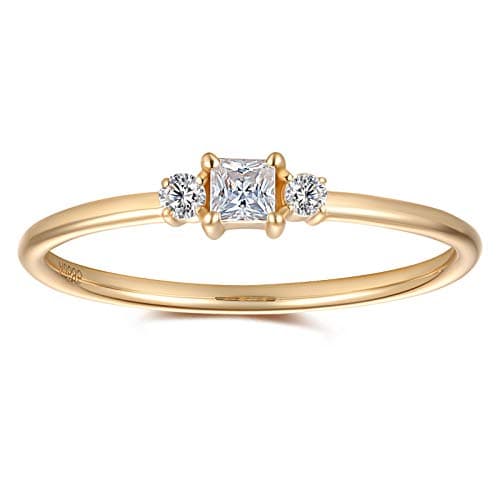
Best engagement rings: espere Solid 14K Yellow Gold Three-Stone Moissanite Ring
#ad We earn a commission at no cost to you.

Picks
Adjustable sterling and steel toe rings ranked on stated alloy, with the sizing problem treated as the main event.
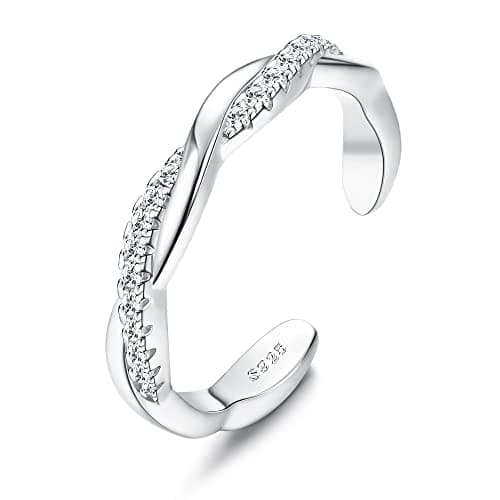
Best toe ring picks: FIASASO 925 Sterling Silver Adjustable Toe Ring
#ad We earn a commission at no cost to you.
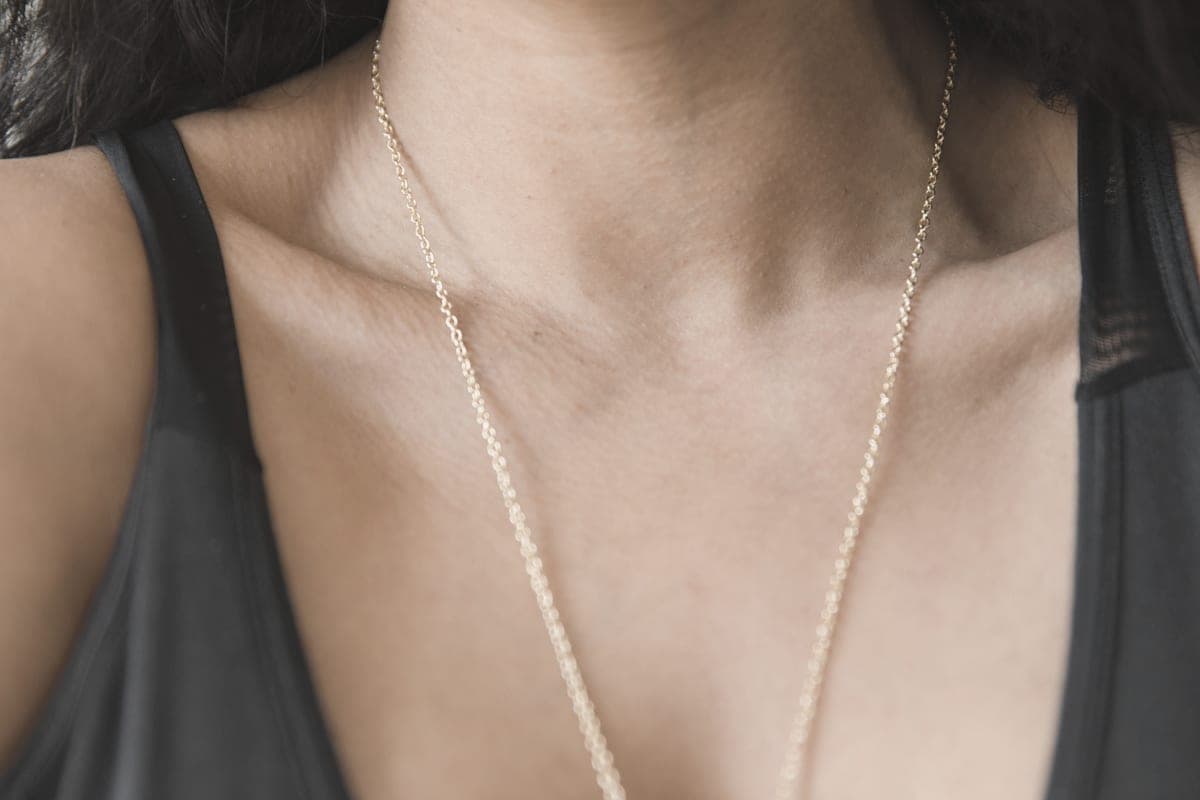
Picks
Personalized name necklaces in solid gold, sterling and steel, with the plating-wear problem and the unnamed clasp treated head-on.
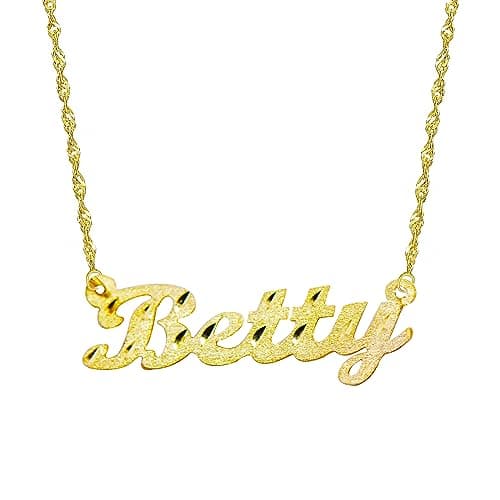
Best personalized picks: Pyramid Jewelry 14K Solid Yellow Gold Name Necklace, Script
#ad We earn a commission at no cost to you.

Picks
No metal at all, so no nickel reaction — but a sealed rubber band traps sweat. The picks that channel it out, and the ones that do not.
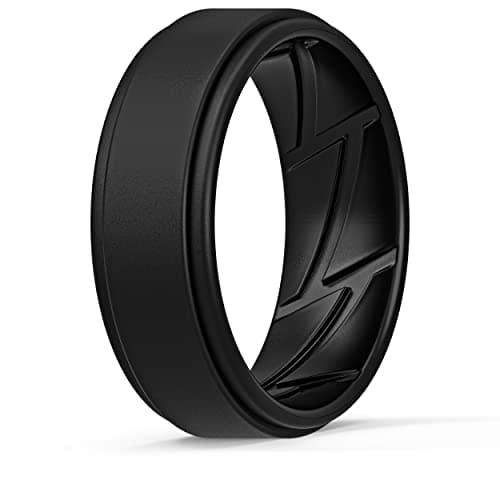
Best silicone rings: ThunderFit Silicone Band with Airflow Inner Grooves
#ad We earn a commission at no cost to you.
Picks
Worn 24/7 against a sweating wrist, steel is the worst case and the category default. The titanium and silicone options, and the clasp nobody discloses.
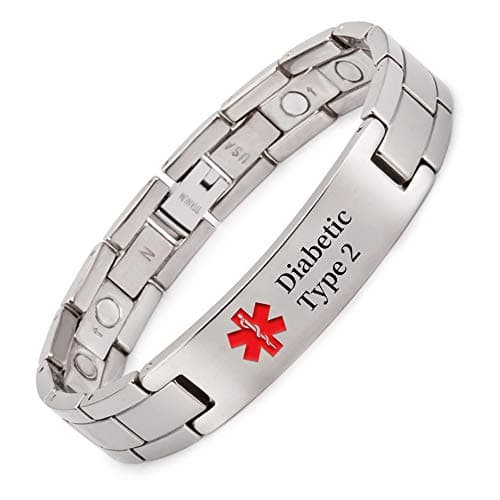
Best hypoallergenic medical IDs: EnerMagiX Titanium Medical Alert Bracelet, Engravable
#ad We earn a commission at no cost to you.