Picks
Hypoallergenic earring sets
Multi-pair sets where the metal is stated, so a gift does not become a problem.
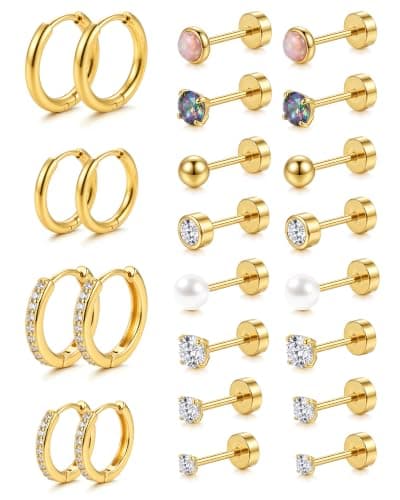
Best earring set: 18K Gold-Plated Surgical Steel Flat-Back and Screw-Back Stack Set
#ad We earn a commission at no cost to you.
For someone else
Buying jewelry for someone with reactive skin is a gamble unless you know what the metal is. These are the sets where the seller actually tells you.

Buying jewelry for someone whose skin reacts is a specific kind of awkward. You cannot ask what metal they can wear without announcing what you have bought, you probably do not know whether the last thing they were given is sitting unworn in a drawer, and the usual fallback — spend more, buy better — does not work here.
That last point is the most useful thing on this page, so it goes first.
Price in jewelry tracks the stone, the brand and the decorative front. It does not track the post metal, and it does not track the clasp. Those are the two parts that decide whether the gift gets worn.
Worse, the most expensive common setting metal is the one most likely to cause a problem. White gold is gold alloyed with a whitening metal, and one of the traditional choices is nickel — then it is rhodium-plated on top, so it behaves like a plated piece as the rhodium wears.
A hundred-dollar pair of white gold studs is a worse gift for reactive ears than a twenty-dollar pair of stated implant-grade titanium ones, and there is no way to know that from the price tag. The gold and plating page covers why.
The number of separately manufactured metal components in a gift is the best single predictor of whether it will cause trouble, because a listing that says “titanium” once is describing at most one of them.
| Gift | Separate metal parts | Risk |
|---|---|---|
| A cuff bracelet | 1 | Lowest. No clasp, no back, nothing unnamed. |
| A plain band ring | 1 | Low, if the metal is stated. Note it cannot be resized in titanium. |
| A pair or set of studs | 2 (post, back) | Moderate. The back is rarely named. |
| A necklace | 2 (chain, clasp) | Moderate. The clasp sits at the nape all day. |
| A matching set | 4 | Highest. Four decisions, usually one named metal. |
Most gift sets in this price range are plated, and plated is not automatically wrong. It depends entirely on what is underneath, because plating wears through at the post and the clasp first — the two contact points that matter.
A set described as “18k gold plated over surgical steel” is a reasonable gift: when the finish eventually goes, you are down to a metal most people wear happily. A set described as “18k gold plated” with no base named is a gamble in wrapping paper. That single clause is the difference, and it is the one thing worth reading for. The four questions to ask any listing.
A healing piercing should keep whatever the piercer fitted for as long as they specified, and a gift set arriving in week two creates pressure to change too early. It is also the point at which a nickel sensitivity is most likely to be established in the first place, because a healing channel is a far more permissive route than intact skin.
A better gift in that situation is a pack of stated-metal replacement backs, which they will need eventually and cannot have too many of. More on new piercings.
Products we claim to have tested: 0. Every recommendation here is scored on what the seller states about the metal, against a rubric published in full. That is a narrower claim than “we tried these and they were lovely”, and it is the one that actually helps when the thing you need to know is what the post is made of.
Everything in this section
Picks
Multi-pair sets where the metal is stated, so a gift does not become a problem.
Best earring set: 18K Gold-Plated Surgical Steel Flat-Back and Screw-Back Stack Set
#ad We earn a commission at no cost to you.
Picks
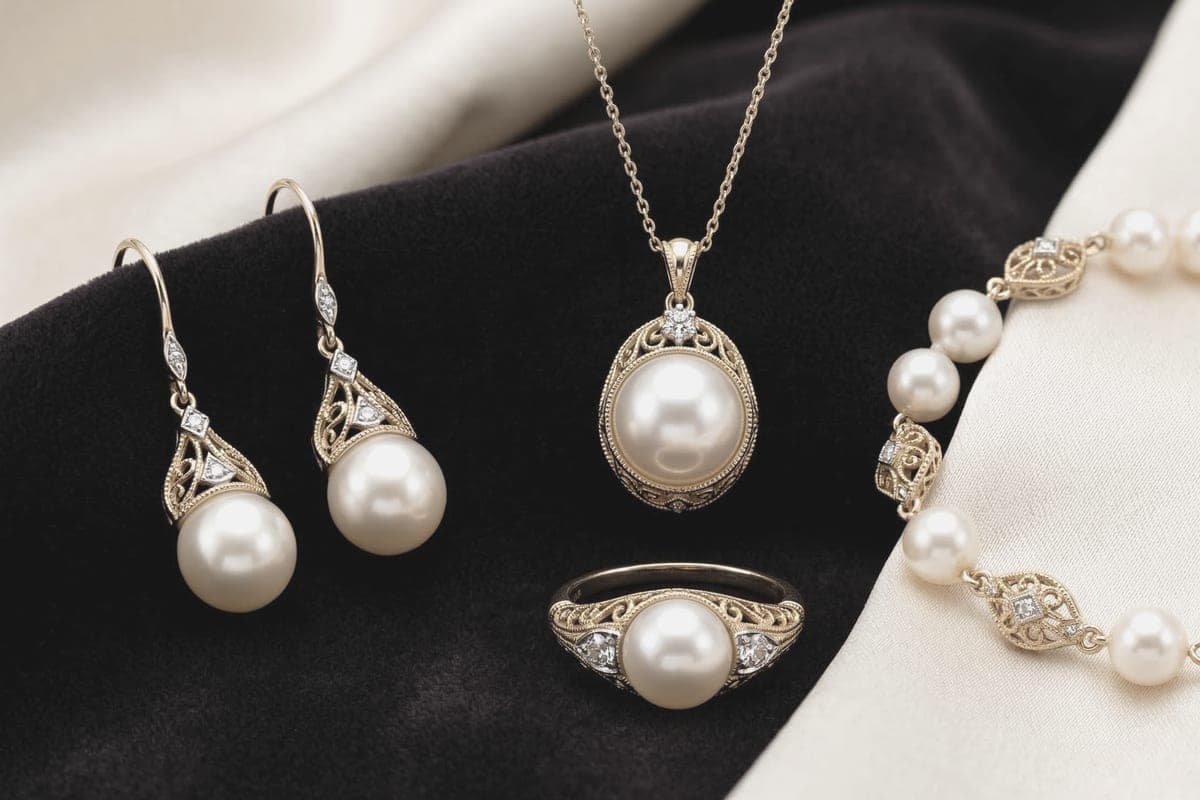
Matching sets, the extra components they introduce, and when two separate pieces are the better gift.
Best matching set: 18K Gold-Plated Surgical Steel Flat-Back and Screw-Back Stack Set
#ad We earn a commission at no cost to you.
Picks
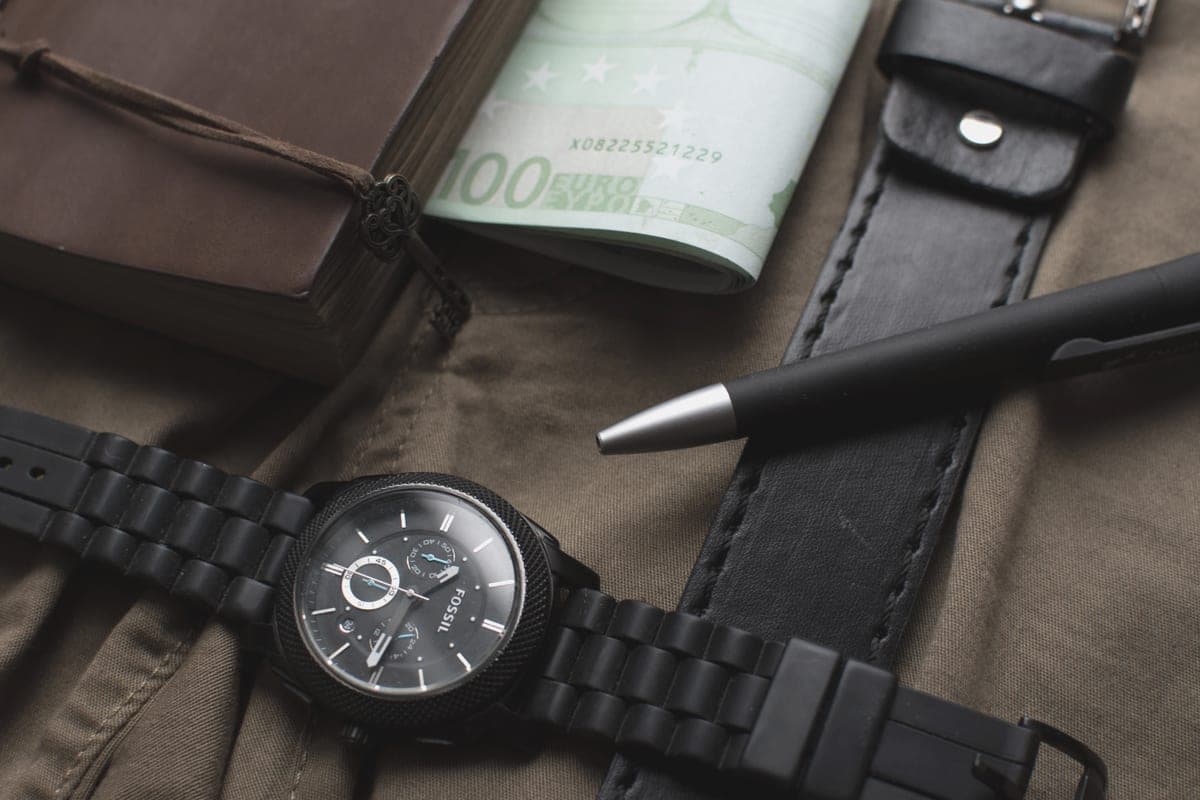
Chains, studs and a cuff where the alloy is stated — so a gift does not become a drawer ornament.
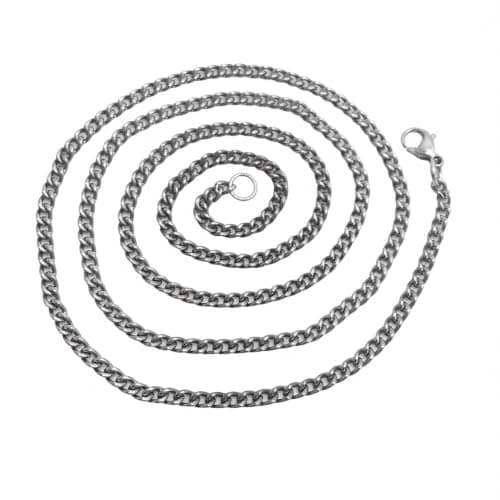
Best gift for him: TIKING Pure Titanium Link Chain, 2.5–5.5mm
#ad We earn a commission at no cost to you.
Picks
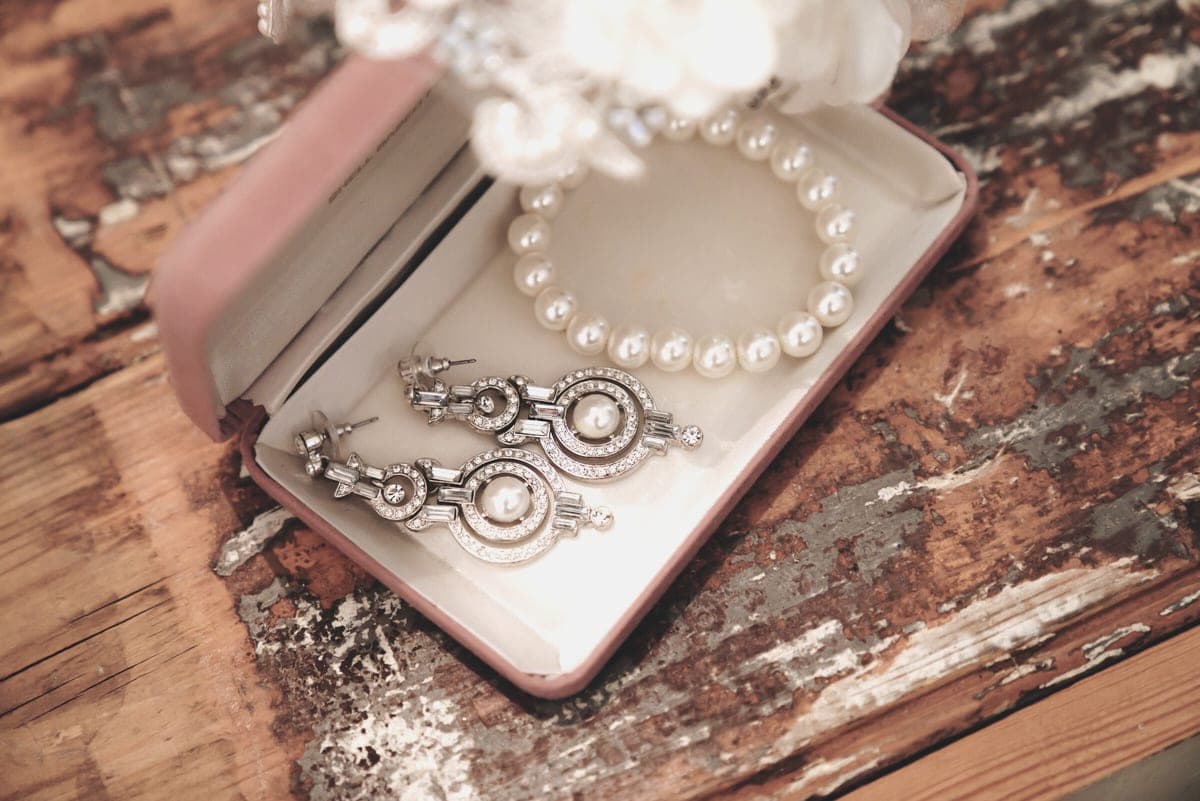
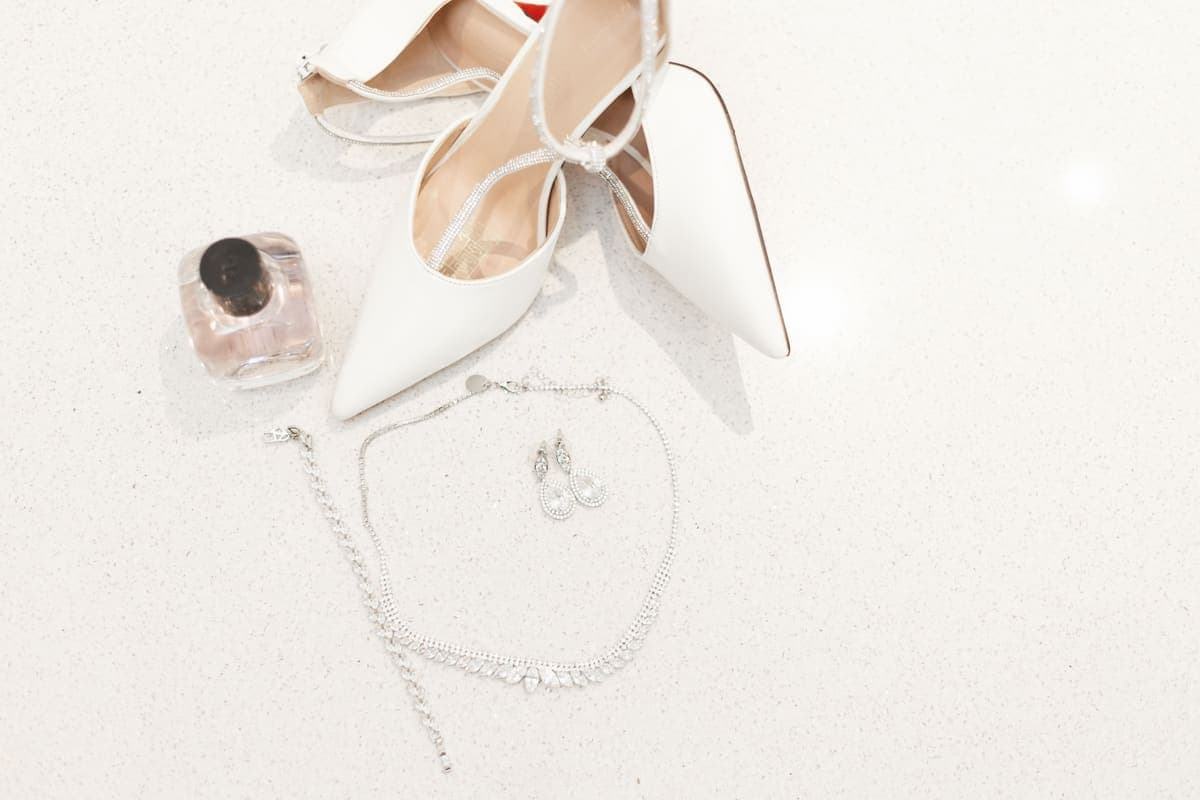
A dated event and no second chance. What to buy for the bride, the bridesmaids and the guest, and why you buy it six weeks early.
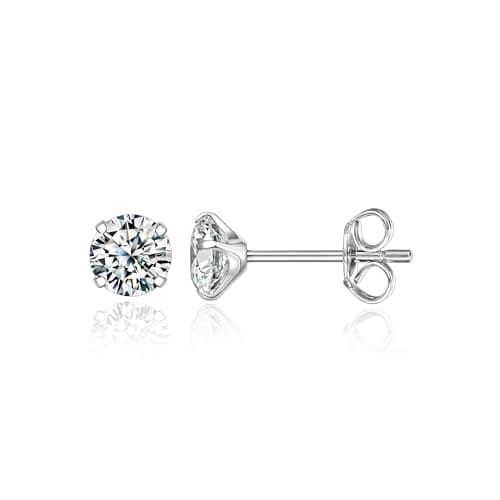
Best wedding-day picks: Limerencia F136 Titanium CZ Studs, 20G, 5mm
#ad We earn a commission at no cost to you.