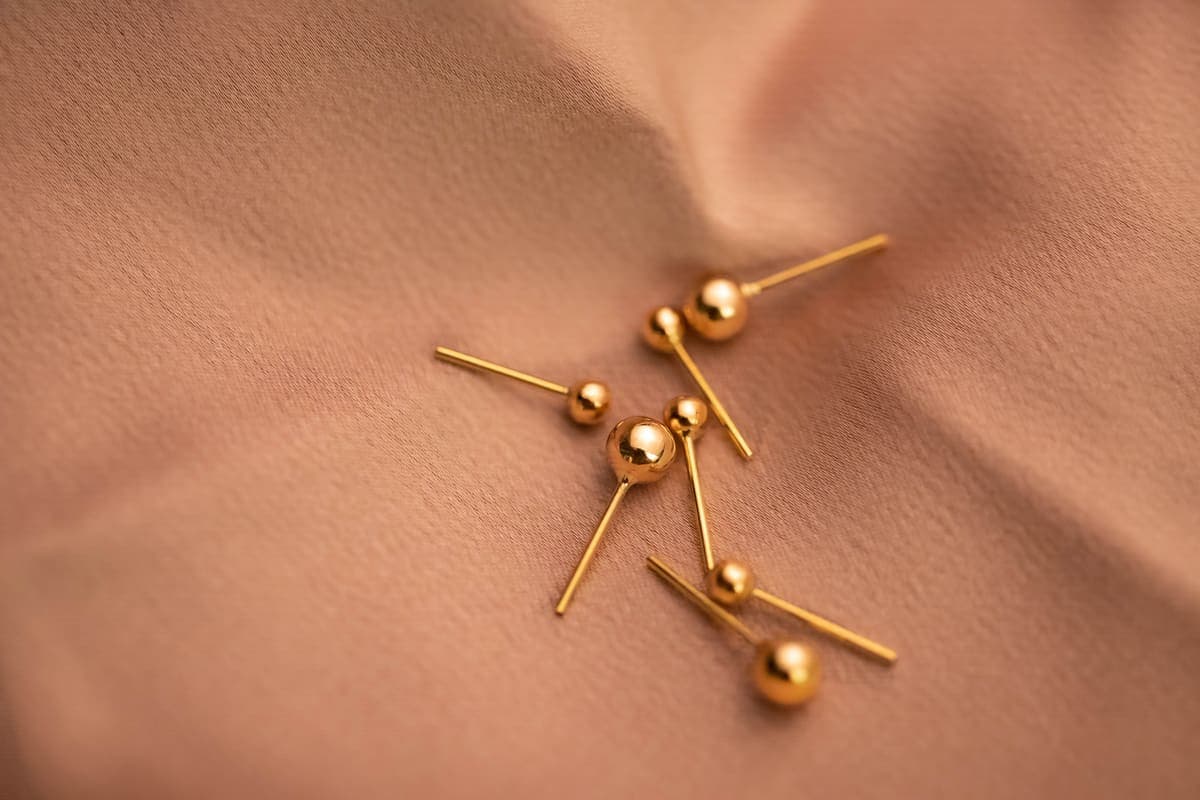
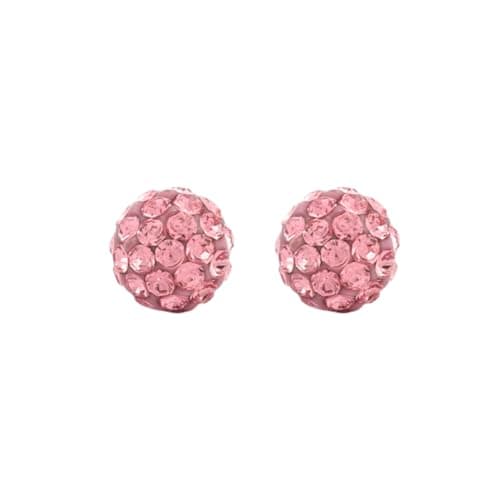
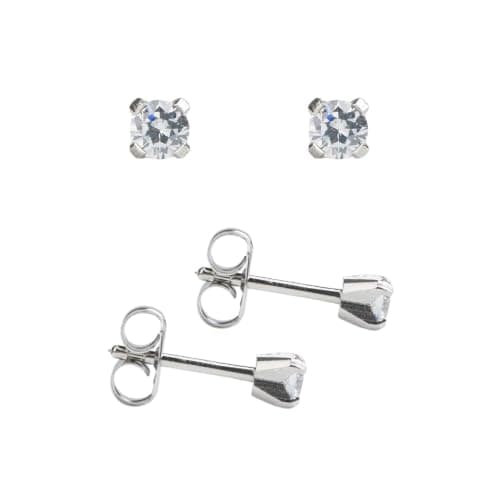
Studex does the one thing this site has spent five rounds asking sellers to do: it names the post metal as its own field. It also uses two different nickel claims inside a single product line, and does not explain why.
Gentle Carat earns a commission when you buy through the links on this page, at no extra cost to you. It never decides what we recommend or how we rank it — here is the full disclosure.
Mostly, yes — and the one to buy is the 6mm Cubic Zirconia pair, because it is the only listing in the line that says “Nickel Free” rather than “Nickel Safe”. Studex is better than almost every brand on this site at the thing that matters most: it names the post metal in its own labeled field instead of leaving you to assume the post matches the earring. The catch is that three of its four Sensitive listings say “nickel safe”, which is not a composition claim and has no standard behind it, and the posts it names are sometimes surgical steel and sometimes gold plating.
How this review was done, and what it is not
This is a reading of what Studex publishes, not a test of what Studex sells. Nobody here has worn these earrings, this site has no laboratory, and no score below is a measurement. What we can do — and what almost nobody else does — is read the seller’s own product titles word by word and report exactly what they do and do not claim. The published rubric is the same one applied to every other product on the site.
Studex is worth a page of its own for one reason: it is the brand a very large number of people were actually pierced with. Pharmacy counters, mall kiosks and salon piercing chairs run on Studex systems, so for a lot of readers this is not a new purchase but the thing already in their ears. The site’s brands page covers Claire’s, Pandora, Lovisa, James Avery and Evry Jewels on the same basis; Studex earns its own page because it is the only one of them selling a dedicated sensitive-skin line.
The thing Studex gets right, and it is a big one
Nearly every page on this site makes the same complaint: a listing names the metal of the earring and says nothing about the post, even though the post is the only part that goes inside your body. Sellers do this constantly. It is the central failure this site was built to document.
Studex does not do it. On every adult Sensitive listing there is a separate, labeled field that reads “Surgical Stainless Steel Posts” or “Gold Plated Posts”. Not buried in a bullet, not implied by the product name — stated, in the title, as its own specification. That deserves saying loudly, because it is the single behavior that would improve this entire market overnight if other sellers copied it.
And the thing it gets wrong: two claims, one line
Now the problem. Read the four Sensitive listings side by side and the nickel language does not match:
The same product line, carrying two different nickel claims
Listing
Nickel wording
Post named as
Solid or coated
Cubic Zirconia 6mm
Nickel Free
Surgical Stainless Steel Posts
Solid
Stainless Steel Ball 3mm
Nickel Safe
Surgical Stainless Steel Posts
Solid
Cubic Zirconia 3mm
Nickel Safe
Gold Plated Posts
Coated
Gold Plated Ball 3mm
Nickel Safe
Gold Plated Posts
Coated
Tiny Tips (children)
No nickel wording at all
Not named
Not stated
The same product line, carrying two different nickel claims
Those are not two ways of saying one thing. “Nickel free” is a claim about composition: the nickel is not in there. It can be checked and it can be wrong, which is exactly what makes it worth something. “Nickel safe” is not a claim about composition. There is no standard behind the phrase, no threshold, and no test it refers to. It sounds like the first claim and functions like a reassurance.
The tension sharpens when you notice that both the “nickel free” listing and one of the “nickel safe” listings name the same post material: surgical stainless steel. And surgical stainless steel contains nickel — the nickel is part of what makes the alloy stable and corrosion-resistant, as the site’s titanium versus surgical steel page sets out. It is a low-release alloy and most people wear it without any trouble at all. But low release and absence are different facts, and one of these listings states the stronger one.
The gold-plated posts are the real weak point
Two of the four Sensitive listings name their post as gold plated, and that is a strange thing to sell under the word “Sensitive”.
Plating is a wearing layer over a base metal, and the base metal is never named on either listing. On a pendant or a ring face that is a cosmetic question — plating rubs off and the piece looks tired. On a post it is not cosmetic. The post is the one component that rotates inside a piercing every time the earring is touched, so it is where the coating thins first, and when it thins the unnamed metal underneath is inside your ear. The gold-plated page makes this argument in full.
The frustrating part is that the fix already exists inside the same product line. Studex sells solid surgical-steel posts in the same shapes and sizes. If you want the Sensitive range, buy the solid version.
Tiny Tips: the one aimed at children, and the one that says least
Tiny Tips is the Studex sub-brand most people have actually encountered, because it is what a great many children are pierced with. It is also, by a distance, the least informative listing here.
No post metal. No nickel wording of any kind — not “free”, not “safe”. The entire allergy content of the title is the word “Hypoallergenic”, and the FDA’s position on that word in cosmetics is that it has no legal definition; there is no jewelry equivalent at all.
That is not a claim that Tiny Tips are made of something bad. It is a statement that the listing does not say, and a first pair for a child’s freshly pierced ear is the worst place on this entire site for a gap like that. A healing piercing is an open channel, and it is far less forgiving than a healed one. If you want Studex for a child, ask the piercer which specific system and alloy they are fitting rather than relying on the listing. Our standing answer for a new piercing is implant-grade titanium to ASTM F136, because it points at a published composition standard.
The verdict
Studex sits in an unusual position: better than almost everyone on disclosure, and looser than it should be on language. If you have mild sensitivity and want a familiar high-street brand that will tell you what the post is, the solid surgical-steel listings are a reasonable buy and the 6mm CZ pair makes the strongest claim in the range.
If you have patch-tested positive to nickel, this is not the line for you, and no amount of good labelling changes that — surgical steel contains nickel, and “nickel safe” is not a composition claim. Titanium earrings are the next page to read.
Quick picks
Ranked on what the seller actually discloses. Tap a row for the full write-up, or go straight to the listing.
#
Product
Best for
Score
Price
1
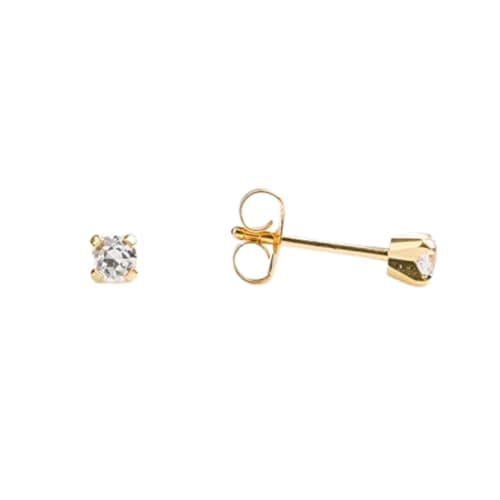
Studex Sensitive Cubic Zirconia Studs, 6mmThe strongest claim Studex makes anywhere in this line, on the only listing of the four that says nickel free rather than nickel safe, with the post metal named as its own field.
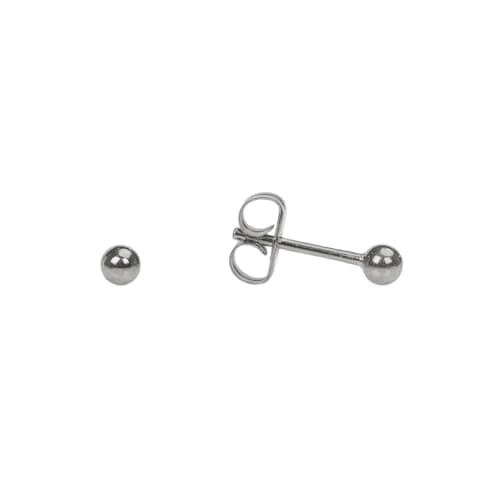
Studex Sensitive Stainless Steel Ball Studs, 3mmA 3mm steel ball with the post metal named, which is about as unremarkable and as hard to get wrong as an earring gets. The claim wording is the softer one.
Studex Sensitive Cubic Zirconia Studs, 3mm, Gold-Plated PostThe least expensive Sensitive listing, and the first of two where the named post metal is a coating rather than a metal — which is a strange thing to sell under the word sensitive.
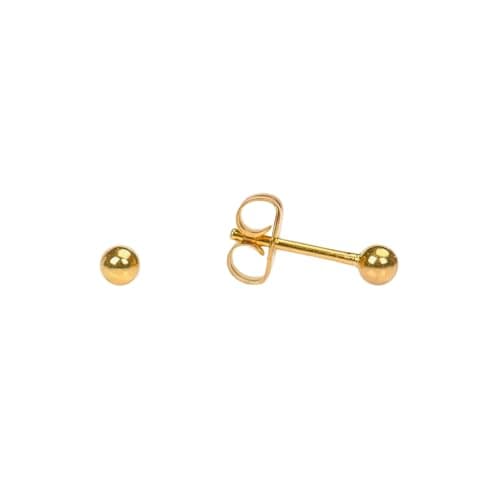
Studex Sensitive Gold-Plated Ball Studs, 3mmThe same plated-post compromise as the smaller CZ pair, with none of the saving. It sits at the top of this line's price bracket while disclosing less than the solid-steel options beside it.
Studex Tiny Tips Studs, 4.5mmThe range aimed at children, and the only listing here that names no post metal and makes no nickel claim at all. Ranked last for exactly that reason.
“Score” is a disclosure score, not a test result. It rates how completely the seller states the post metal, the back metal and the nickel claim, and how that metal holds up for reactive skin. The full rubric is published on our methodology page.
#1 · The one listing in the line that says nickel free
Studex Sensitive Cubic Zirconia Studs, 6mm
The strongest claim Studex makes anywhere in this line, on the only listing of the four that says nickel free rather than nickel safe, with the post metal named as its own field.
Post material
Surgical stainless steel, named as a distinct specification rather than implied
From the seller’s own product title: “Surgical Stainless Steel Posts”
Back material
Not named. These ship as piercing studs with a clutch, and no Studex title on this shelf says what the clutch is made of
Not named in the seller’s product title — the headline nearly every buyer reads. That omission is the finding, not a gap in our notes.
Nickel claim
Explicitly nickel-free. The seller’s own words: “Hypoallergenic and Nickel Free for Sensitive Ears”
This is the pick because of four words: "Nickel Free for Sensitive Ears". That is a claim about composition, and composition claims can be wrong, which is what makes them worth more than adjectives. Three of the other Sensitive listings say "Nickel Safe" instead. Same brand, same line, different claim, no explanation offered anywhere in the listings for the difference.
Studex also does the thing this site has spent five rounds asking for: it names the post metal in its own labeled field, "Surgical Stainless Steel Posts", instead of leaving you to assume the post matches the earring. Across the two hundred-odd listings in this site's registry, almost nobody does that. Credit where it is due.
The tension is that surgical stainless steel contains nickel by design — the nickel is part of what makes the alloy corrosion-resistant. It releases very little, and for most people with mild sensitivity that is genuinely fine, which is the site's standing position on steel. But "nickel free" and "a low-release alloy that contains nickel" are different statements, and the title makes the stronger one.
What is still missing is the back. A piercing stud is a two-part assembly and the clutch spends as long against your lobe as the earring spends in it. No Studex title here names it, which is the gap that keeps this line short of the titanium picks elsewhere on the site.
Who it’s for
Someone who wants the pharmacy-counter brand, has mild sensitivity rather than a diagnosed nickel allergy, and wants the clearest claim the range offers.
Skip it if
Skip this if you have patch-tested positive to nickel. Implant-grade titanium to ASTM F136 has a published composition standard behind it; surgical steel has an alloy spec that includes nickel.
A 3mm steel ball with the post metal named, which is about as unremarkable and as hard to get wrong as an earring gets. The claim wording is the softer one.
Post material
Surgical stainless steel, named separately from the earring
From the seller’s own product title: “Surgical Stainless Steel Posts”
Back material
Not named anywhere in the title
Not named in the seller’s product title — the headline nearly every buyer reads. That omission is the finding, not a gap in our notes.
Nickel claim
Says hypoallergenic, not nickel-free. The seller’s own words: “Hypoallergenic and Nickel Safe for Sensitive Ears”
A plain 3mm ball on a named steel post is a sensible default, and it is the shape least likely to catch, snag or press. If you are replacing a pair that irritated you and you want to change one variable at a time, a small plain stud on a stated metal is the right way to do it.
"Nickel Safe" is where this listing loses ground against the pick above, and the phrase deserves unpacking because Studex is not the only brand using it. "Nickel free" would mean the nickel is not there. "Nickel safe" does not mean that, and it does not mean anything else in particular either — there is no standard, no threshold and no test behind the words. Read it as the seller saying the release is low, which for surgical steel is true, rather than as the seller saying the metal is absent.
In the EU that distinction has a number attached to it: REACH sets a release limit of 0.2 micrograms per square centimeter per week for post assemblies in pierced ears. The US has no equivalent federal limit, which is exactly why a US listing can reach for a phrase like this one.
Who it’s for
Anyone who wants one plain, cheap, everyday pair from a brand that at least tells you what the post is.
Skip it if
Skip this if "nickel safe" was the phrase that reassured you. It is not a composition claim, and the 6mm CZ pick in the same line makes the stronger one for very little more.
#3 · The cheapest way into the line, with a caveat
Studex Sensitive Cubic Zirconia Studs, 3mm, Gold-Plated Post
The least expensive Sensitive listing, and the first of two where the named post metal is a coating rather than a metal — which is a strange thing to sell under the word sensitive.
Post material
Gold plating over a base metal the title does not name. The plating is on the post itself
From the seller’s own product title: “Gold Plated Posts”
Back material
Not named in the title
Not named in the seller’s product title — the headline nearly every buyer reads. That omission is the finding, not a gap in our notes.
Nickel claim
Says hypoallergenic, not nickel-free. The seller’s own words: “Hypoallergenic and Nickel Safe for Sensitive Ears”
Credit first: Studex still names the post as its own field. "Gold Plated Posts" is a real disclosure, and it is more than almost any other seller on this site manages. The problem is what it discloses.
A plated post is a coating over something unnamed, and a coating on a post is in the worst possible place. The decorative face of an earring is rubbed by nothing; the post is rubbed by the inside of a piercing every time the earring turns. When plating thins there, whatever is underneath is inside your ear, and this title never says what that is.
That is an odd combination to market as "Sensitive", and it is the clearest illustration of why this review ranks the line rather than endorsing it. If the plating is over the same surgical steel used elsewhere in the range, the honest version of this listing would say so. It does not, so we cannot.
It is the least expensive route into the range, and for an occasionally-worn pair that may well be fine. For an everyday pair it is the thinnest specification in a line that has a solid-steel option sitting next to it.
Who it’s for
Someone who wants a small gold-tone CZ stud for occasional wear and is clear that they are buying a coating.
Skip it if
Skip this if you wear the same pair daily, and skip it if you react to nickel. Buy the solid surgical-steel pair from the same line instead.
#4 · A gold-tone ball, if you accept the plated post
Studex Sensitive Gold-Plated Ball Studs, 3mm
The same plated-post compromise as the smaller CZ pair, with none of the saving. It sits at the top of this line's price bracket while disclosing less than the solid-steel options beside it.
Post material
Gold plating over an unnamed base metal, on the post
From the seller’s own product title: “Gold Plated Posts”
Back material
Not named in the title
Not named in the seller’s product title — the headline nearly every buyer reads. That omission is the finding, not a gap in our notes.
Nickel claim
Says hypoallergenic, not nickel-free. The seller’s own words: “Hypoallergenic and Nickel Safe for Sensitive Ears”
This is the hardest pick on the page to recommend, and the reason is value rather than chemistry. It sits in the same price bracket as the 6mm CZ pair that says "Nickel Free" and names a solid surgical-steel post, and above the plain steel ball. For that, you are buying a thinner specification than either.
The plated-post objection from the pick above applies identically here: a coating on the one component that rotates inside a piercing is a coating in the place it will wear first, and the base metal underneath is never named.
The product codes in the two titles are worth noticing. This one ends PR-621-S and the plain steel ball ends PR-621W-S, so the two are the same shape and size in the same product family, offered in two finishes. What the shared code does not tell you is what the plating on this one sits on top of — and that unnamed base is the entire objection. A shared stem is suggestive, not a specification.
If the warm tone is the whole point of the purchase for you, that is a perfectly legitimate reason to buy it. Buy it knowing the post is coated and the coating is on the part that turns.
Who it’s for
Someone who specifically wants a gold-tone ball from this brand and is not wearing it every day.
Skip it if
Skip this on value. Within the same line, a lower price gets you a solid-steel post and the same bracket gets you the only nickel-free claim Studex makes here.
The range aimed at children, and the only listing here that names no post metal and makes no nickel claim at all. Ranked last for exactly that reason.
Post material
Not named. This is the only Studex listing on the shelf that does not state a post metal
Not named in the seller’s product title — the headline nearly every buyer reads. That omission is the finding, not a gap in our notes.
Back material
Not named in the title
Not named in the seller’s product title — the headline nearly every buyer reads. That omission is the finding, not a gap in our notes.
Nickel claim
Says hypoallergenic, not nickel-free. The seller’s own words: “Hypoallergenic for Little Ears”
Tiny Tips is the Studex sub-brand most people have actually encountered, because it is what a great many children get pierced with. Which makes this the most disappointing listing on the page: the line that names the post metal on every adult Sensitive item drops that field entirely on the one aimed at kids.
There is no "nickel free" here, no "nickel safe", and no steel or titanium named. The whole allergy content of the title is the word "Hypoallergenic", which has no legal definition in the US — the FDA says as much about the word in cosmetics, and there is no jewelry equivalent at all.
That is not a claim that Tiny Tips are made of anything bad. It is a statement that this listing does not say, and on a first pair for a child's freshly pierced ear that is the wrong place for a gap. A healing piercing is an open channel and it is the least forgiving environment on this site.
If you want the Studex brand for a child, the honest move is to ask the piercer which specific system and alloy they are putting in, rather than relying on this listing. The site's kids and new-piercing pages both land in the same place: implant-grade titanium is the material with a composition standard behind it.
Who it’s for
Buyers who have already been told by their piercer exactly what alloy this specific Tiny Tips reference is, and are simply reordering it.
Skip it if
Skip this as a blind purchase for a new piercing. For a child's first pair, a stated ASTM F136 titanium flat-back is the better-documented option.
Studex markets a line called Sensitive and names the post metal on every adult listing in it, which is more than most brands do. Whether that makes them hypoallergenic for you depends on what you react to: the posts are surgical stainless steel, which contains nickel and releases very little, or gold plating over an unnamed base. For mild sensitivity, usually fine. For a confirmed nickel allergy, titanium is the better answer.
What does nickel safe mean on a Studex listing?+
Less than it sounds like. “Nickel free” is a claim about what is in the metal. “Nickel safe” has no standard, no threshold and no test behind it — read it as the seller saying release is low rather than saying the nickel is absent. Studex uses both phrases inside the same Sensitive line and does not explain the difference.
Do Studex Sensitive earrings contain nickel?+
The ones with surgical stainless steel posts almost certainly do, because nickel is part of the alloy that makes surgical steel what it is. That is not a contradiction of the brand’s claims so much as a reason to read them carefully: a low-release steel is a genuinely good option for most people and is not the same thing as nickel-free. The gold-plated posts do not name the base metal at all.
Is Studex good for a first piercing?+
Studex is what a great many first piercings are done with, so for many people the question is moot. Judged on labelling, the Tiny Tips children’s range is the weakest listing in the whole brand — no post metal and no nickel wording. If you have the choice, ask the piercer for implant-grade titanium to ASTM F136, which is what the new-piercing page recommends.
Are gold-plated Studex posts safe for sensitive ears?+
They are the configuration we would steer you away from within the range. Plating is a wearing layer, the post is where it wears first because it turns inside the piercing, and the metal underneath is not named on the listing. Studex sells solid surgical-steel posts in the same shapes. Buy those instead.
Is Studex better than Claire's for sensitive ears?+
On published information, Studex names the post metal as its own field, which Claire’s does not do in the same way, though Claire’s does publish its starter materials. Neither uses the word nickel as precisely as it could. Our brands page compares Claire’s, Pandora, Lovisa, James Avery and Evry Jewels on exactly this basis.